Commercial Refrigeration Repair
COMMERCIAL REFRIGERATION REPAIR IN Benson & Tucson, AZ
The State of Arizona has adopted the FDA Food Code, which sets cold holding temperature for time and temperature control foods at 41 degrees or below and defines the danger zone between 41 and 135 degrees. Abbey Aire and Building Repair repairs and services commercial refrigeration equipment across Benson, AZ, Tucson, Vail, Marana, St. David, Oro Valley, and Sahuarita, AZ.
PRODUCT TEMPERATURE IS THE ONLY SCORE THAT COUNTS.
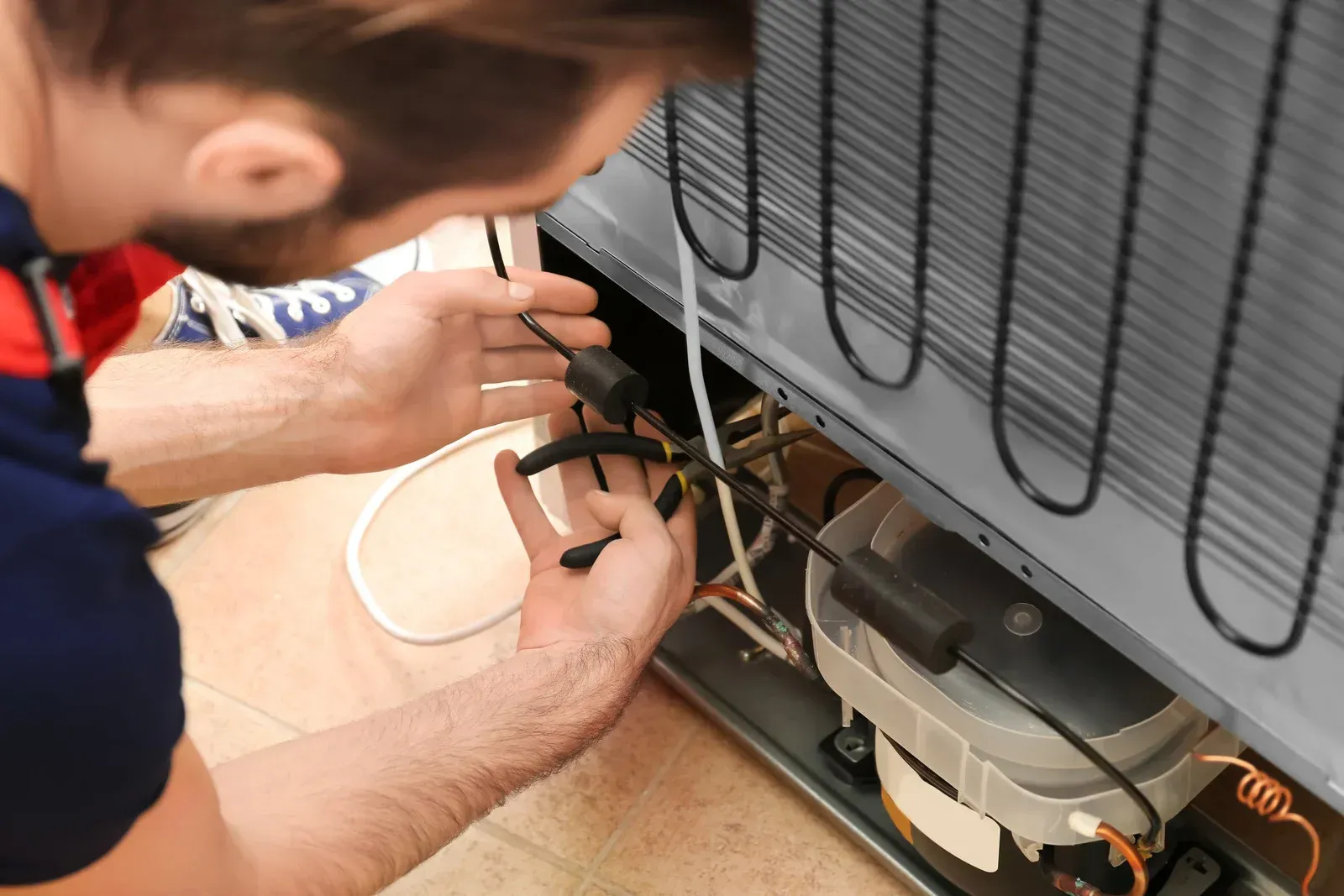
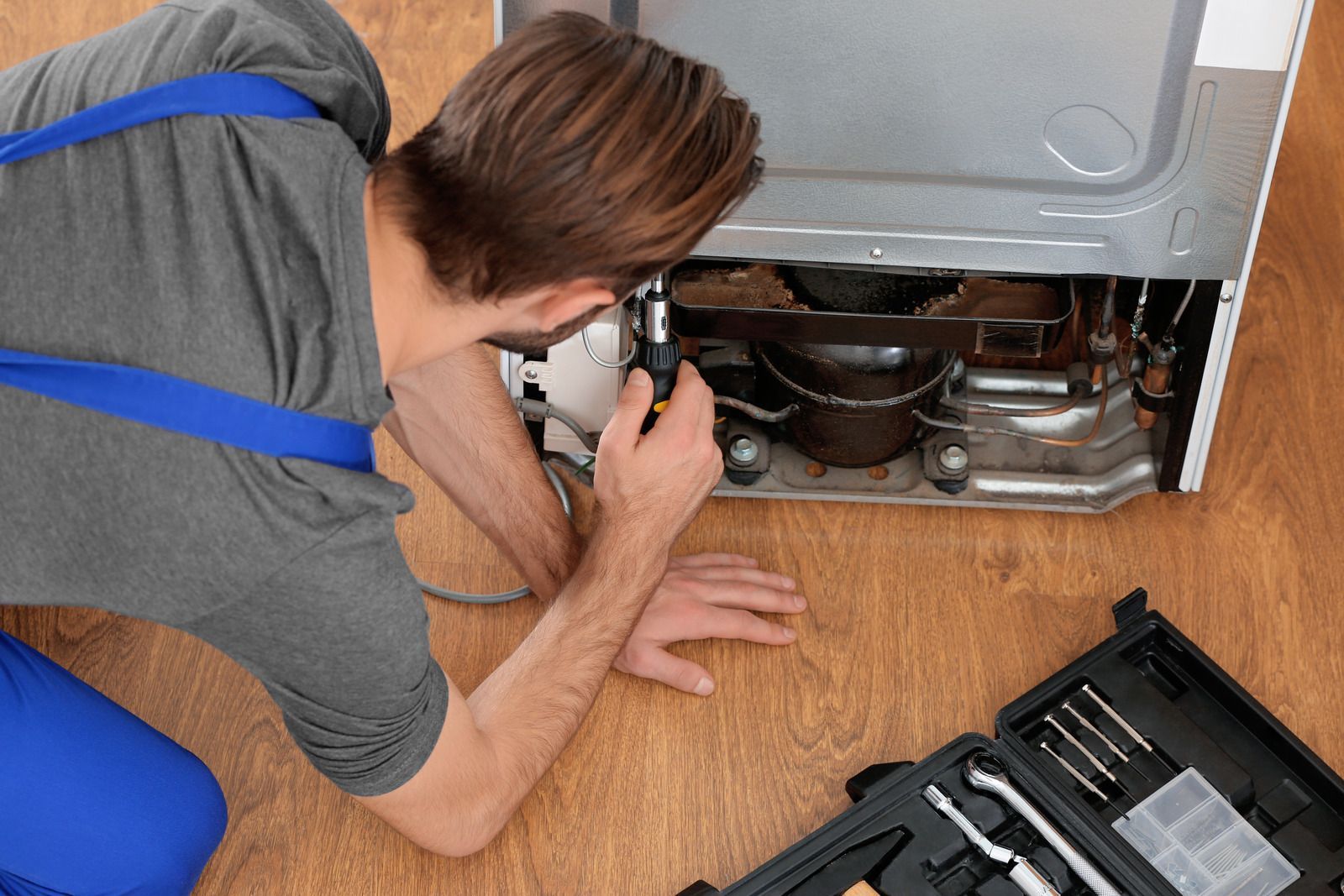
A compressor that runs is not the objective. Holding product below 41 degrees at every point in the cabinet is. That is why refrigeration calls here start with temperature logged in several places, then work backward through charge, defrost timing, evaporator airflow, and door seals until the reason for the drift is properly identified.
A health inspection does not care which component failed. It records the product temperature it measured, so the repair has to end with the cabinet actually holding, not simply with the unit running.
- Product temperatures logged at multiple points
- Refrigerant leak repairs documented for compliance
- Defrost timing set to actual door traffic
- Repairs backed by a 90-day workmanship warranty
YOUR HOME STAYS SELLABLE
Active leaks and visible water damage kill inspection reports. A documented repair history reassures buyers, appraisers, and insurers that the roof over the property has been looked after.
COMMERCIAL REFRIGERATION REPAIR
REFRIGERATION FAILS ON A CLOCK YOU CANNOT PAUSE.
Federal guidance puts an unopened refrigerator at roughly 4 hours of safe holding without power, a full freezer at 48, and a half-full freezer at 24. Once product passes 41 degrees for more than a couple of hours, it has to be discarded. That is the window a refrigeration call is racing, and it is why these jobs get scoped around inventory rather than scheduling convenience.
DESERT AMBIENT TEMPERATURES PUSH CONDENSERS TO THEIR LIMIT.
Refrigeration condensers in a Tucson kitchen or a Benson convenience store frequently sit in a back room or on a roof where ambient temperatures run far above what the equipment was rated against. Head pressure climbs, capacity falls, and the compressor works longer for less cooling. Cleaning coils and improving ventilation around the condensing unit often solves a problem that looks like a refrigerant issue.
REFRIGERATION IS A SEPARATE TRADE, AND WE WORK IT DAILY.
Plenty of HVAC companies will tell you they also do refrigeration, and then arrive without a low-temperature gauge set or any idea how a defrost termination thermostat behaves. Low temperature work has its own components, its own charging behavior, and its own failure patterns. This has been part of our business alongside heating and cooling for 35+ years. Does whoever services your equipment actually do this every week?
WHY CHOOSE US FOR COMMERCIAL REFRIGERATION REPAIR.
Inventory Protected First
The first move on a warm cabinet is protecting what is inside it. That may mean relocating product, arranging temporary cold storage, or getting a partial repair running before the full fix.
Compliance Documentation Included
Product temperatures, findings, and refrigerant records get written up in a form that stands up to a health inspection or a corporate audit rather than a scribbled service ticket.
Root Cause, Not a Reset
Bumping a thermostat down to compensate for a real fault hides it for a week. Finding why the cabinet drifted keeps it from drifting again during the next busy service.
Work Around Service Hours
Kitchens do not stop for repairs. Work gets scheduled between services, before opening, or after close so the line keeps running while the equipment gets attention.
Refrigerant Handled Correctly
Recovery, leak repair, evacuation, and weighed recharge all done to the regulations, with records kept. Topping up a leaking system repeatedly is both bad practice and a compliance problem.
One Contractor for Everything
The same crew handles the rooftop unit, the walk-in, the reach-ins, the ice machine, and the cooking line. That removes the coordination problem when two systems fail in the same week.
WHAT WE REPAIR
OUR COMMERCIAL REFRIGERATION REPAIR WORK
Refrigeration faults concentrate in six areas across the refrigerant circuit, the airflow path, and the controls. Each gets checked with product temperature as the reference point rather than gauge readings alone.
COMPRESSORS
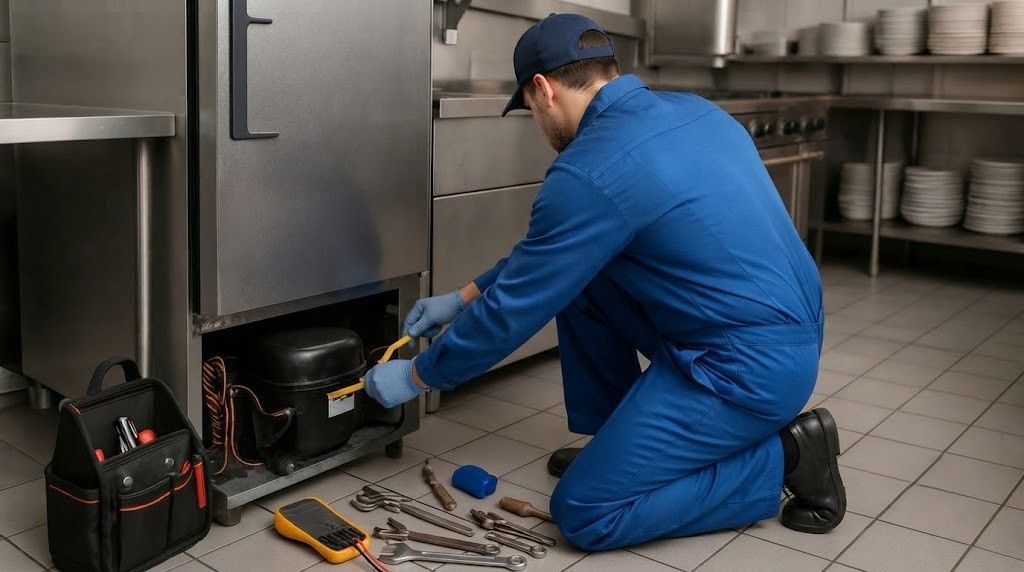
Compressor and Condensing Unit Repair
Failed start components, overheating from poor ventilation, contaminated oil, and worn valves all show up as a unit that runs constantly without pulling temperature down. Electrical testing separates them quickly.
LEAK REPAIR
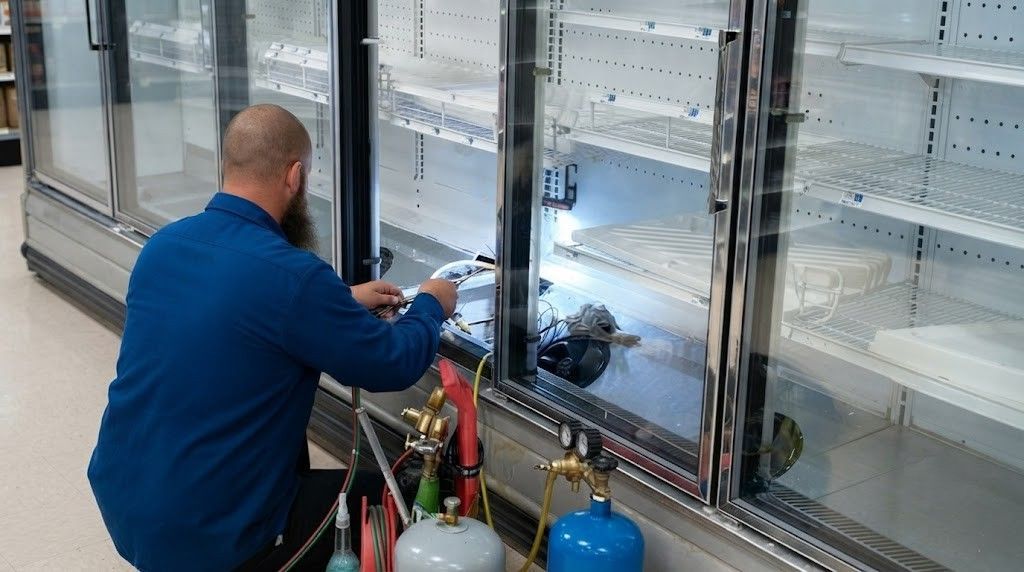
Refrigerant Leak Detection and Recharge
Electronic detection, nitrogen pressure testing, and dye tracing locate the loss before anything is added. Repairs get brazed, evacuated, and recharged by weight, with the documentation the rules require kept on file.
DEFROST
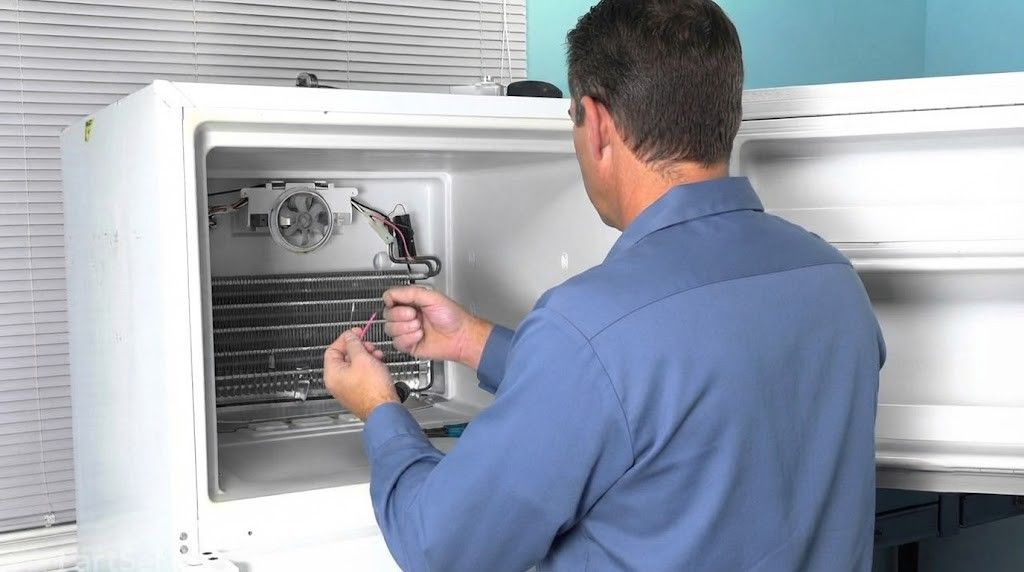
Defrost System Repair and Timing
Heaters, termination thermostats, timers, and controllers all determine whether the evaporator clears properly. Frost that survives the cycle blocks airflow and starts the temperature drift that gets noticed days later.
AIR MOVEMENT
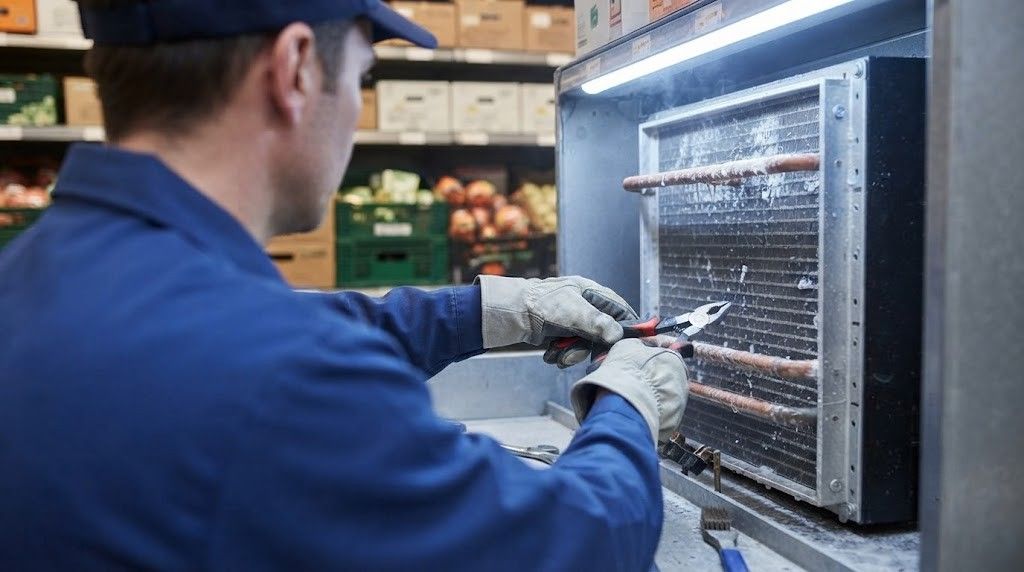
Evaporator Fan and Coil Service
Evaporator fan motors, blades, and coil surfaces move the cold air around the cabinet. A failed fan produces one warm corner long before the whole box goes out of range.
CONTROLS
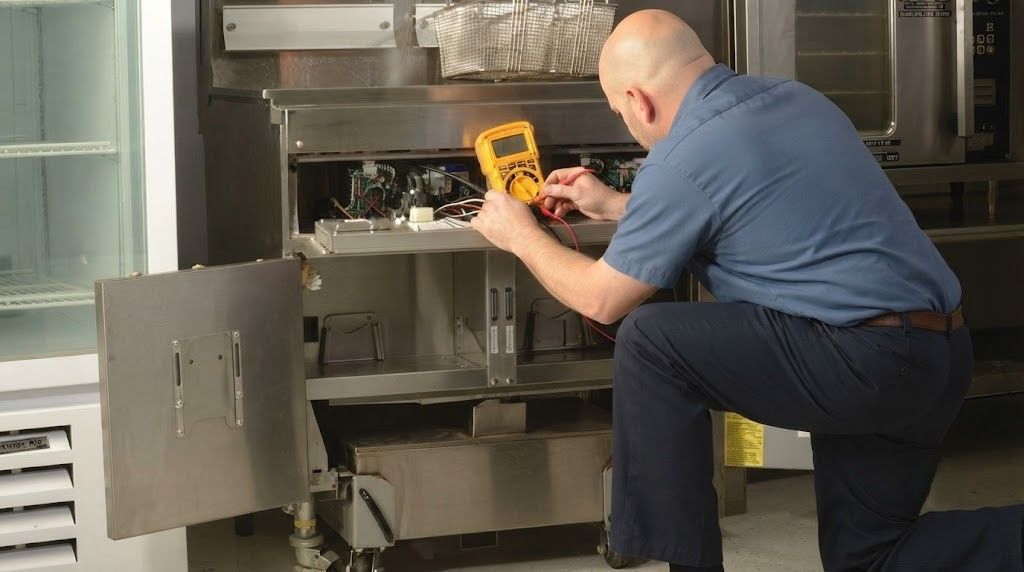
Thermostat, Sensor, and Control Repair
Temperature controllers drifting out of calibration cause a cabinet to hold the wrong setpoint while reporting the right one. Comparing controller readings against a calibrated thermometer settles that in minutes.
SEALS AND DOORS
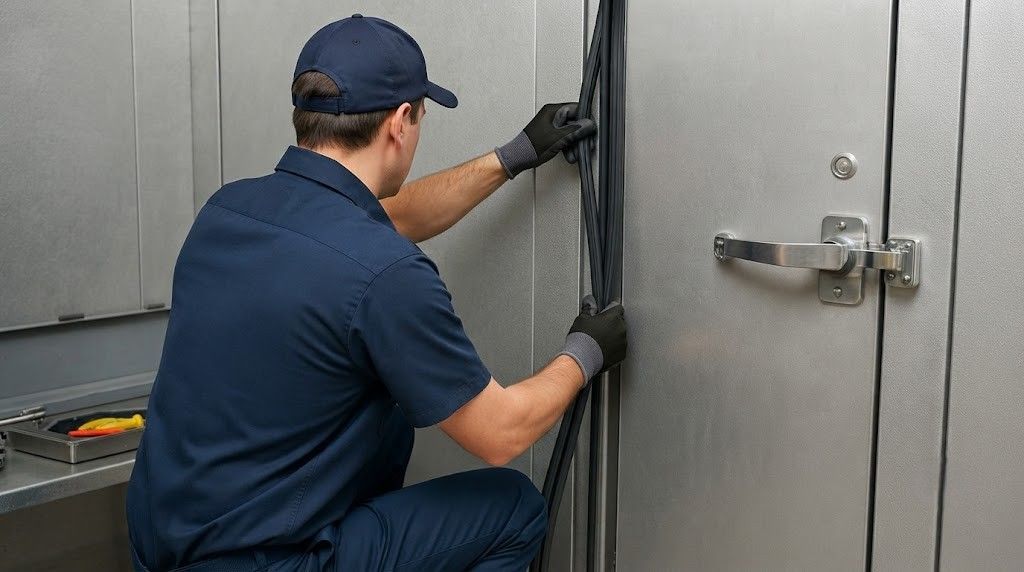
Gasket, Hinge, and Door Repair
Torn gaskets, sagging hinges, and doors that no longer close square let warm humid air in continuously. Replacing them is inexpensive and often fixes a temperature problem blamed on the compressor.
faq
frequently asked
questions.
Questions from restaurant, convenience store, and food service operators dealing with refrigeration that is not holding. Anything involving product already out of range deserves a call rather than a search.
How do I fix a commercial refrigerator that is not cooling?
Check that the condenser is clean and has airflow, the door seals close, and the evaporator is not iced over. Beyond those, it needs gauges and a diagnosis rather than adjustment.
How do I reset a commercial refrigerator?
Cycle power at the disconnect and allow several minutes before restoring it. If the unit needs resetting repeatedly, something is tripping a safety and that cause is what needs finding.
What temperature should a commercial refrigerator be?
Product must hold at 41 degrees or below, so cabinets are typically set a few degrees under that. Abbey Aire and Building Repair verifies at multiple points on every call across Benson, AZ.
How often should commercial refrigeration be serviced?
Quarterly suits most food service operations, with condenser cleaning more often in dusty locations. Equipment running continuously in a hot back room justifies a tighter interval than a lightly used display case.
How can you tell if a refrigeration compressor is bad?
It draws high amperage, trips its overload repeatedly, runs hot, makes a distinct knocking sound, or fails an electrical test. A megohm reading and an amperage check confirm it properly.
What is the most common cause of refrigerator compressor failure?
Overheating from a dirty condenser or poor ventilation, followed by running low on refrigerant, which starves the compressor of oil return. Both are preventable with scheduled cleaning and leak repair.
What are the symptoms of a refrigerant leak?
Longer run times, rising cabinet temperature, frost patterns on only part of the evaporator, and oil residue near joints. Abbey Aire and Building Repair leak tests before recharging anything in Tucson, AZ.
How long does it take for food to spoil in a broken fridge?
Federal guidance allows roughly 4 hours for an unopened refrigerator without power. Once product exceeds 41 degrees for more than about 2 hours, it generally has to be discarded entirely.
HOW WE WORK
FROM WARM PRODUCT TO A STABLE CABINET, HERE IS HOW.
STEP 01
Protect the Product
The first conversation is about what is inside and how long it has been warm. Moving inventory to a working cabinet or arranging temporary storage comes before anyone opens a service panel here.
STEP 02
Log Temperatures Everywhere
Product temperature, air temperature at several points, evaporator and condenser readings all get recorded. Uneven readings inside a single cabinet point at airflow or defrost rather than at the refrigerant circuit itself in most cases.
STEP 03
Check the Obvious Physical Causes
Condenser cleanliness and ventilation, door gaskets, hinges, evaporator frost, and fan operation get inspected before gauges go on. A surprising share of temperature complaints end at one of those items alone, without gauges.
STEP 04
Test the Refrigerant Circuit
Suction and discharge pressures, superheat, subcooling, and compressor amperage get measured and compared to the equipment's design conditions. A low charge triggers a leak search rather than a quiet top-up and a return visit.
STEP 05
Repair and Verify Holding
Parts get replaced, leaks brazed and pressure tested, defrost retimed, and gaskets fitted. The cabinet then runs long enough to prove that it holds temperature through a complete defrost cycle and well beyond it.
STEP 06
Document for Compliance
Final product temperatures, work performed, parts used, and any refrigerant added all get recorded. That paperwork supports a health inspection and satisfies refrigerant recordkeeping obligations at the same time, in one single document you can file.
GET YOUR ESTIMATE
KEEP THE PRODUCT COLD AND THE INSPECTOR SATISFIED.
Refrigeration failures cost inventory by the hour, not by the day. Describe the equipment and the temperatures through our contact page and Abbey Aire and Building Repair will respond to your Benson, AZ kitchen.
WHAT YOUR REFRIGERATION CALL COVERS:
- Product temperatures logged at multiple points
- Condenser, gaskets, and defrost checked first
- Refrigerant circuit tested before any charge is added
- Leak repair documented to the required standard
- Cabinet proven to hold through a full cycle
- A 90-day workmanship warranty on the repair