Furnace Repair
FURNACE REPAIR IN Benson & Tucson, AZ
A burner flame that should be steady and blue turning yellow and flickering, black soot near the exchanger, or a sharp chemical odor during a heating cycle are the field indicators of a compromised heat exchanger. Abbey Aire and Building Repair checks for all three on every furnace repair across Benson & Tucson, AZ, Vail, Marana, Oro Valley, and Sahuarita, AZ.
HEAT IS ONLY HALF THE JOB. SAFETY IS THE OTHER HALF.
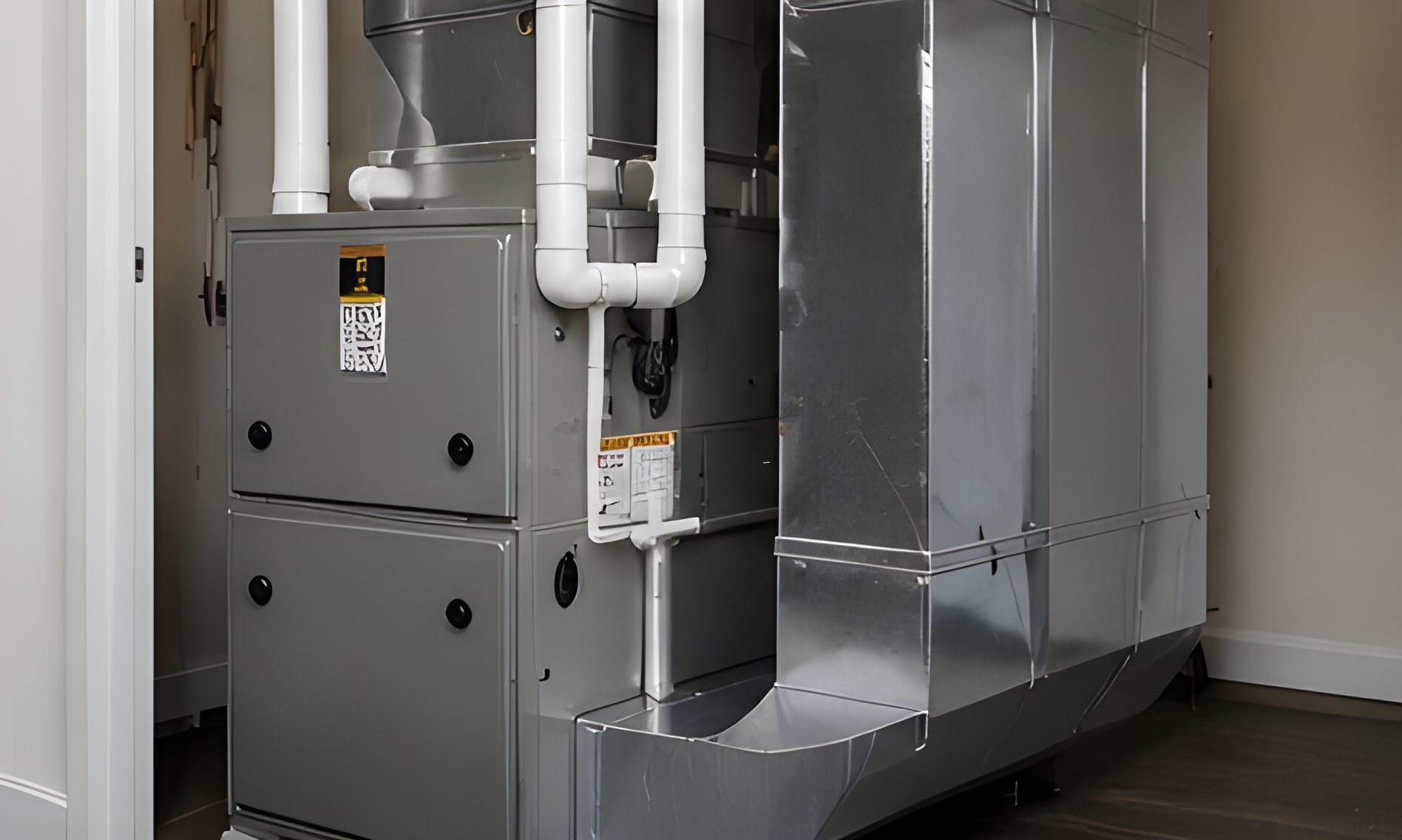
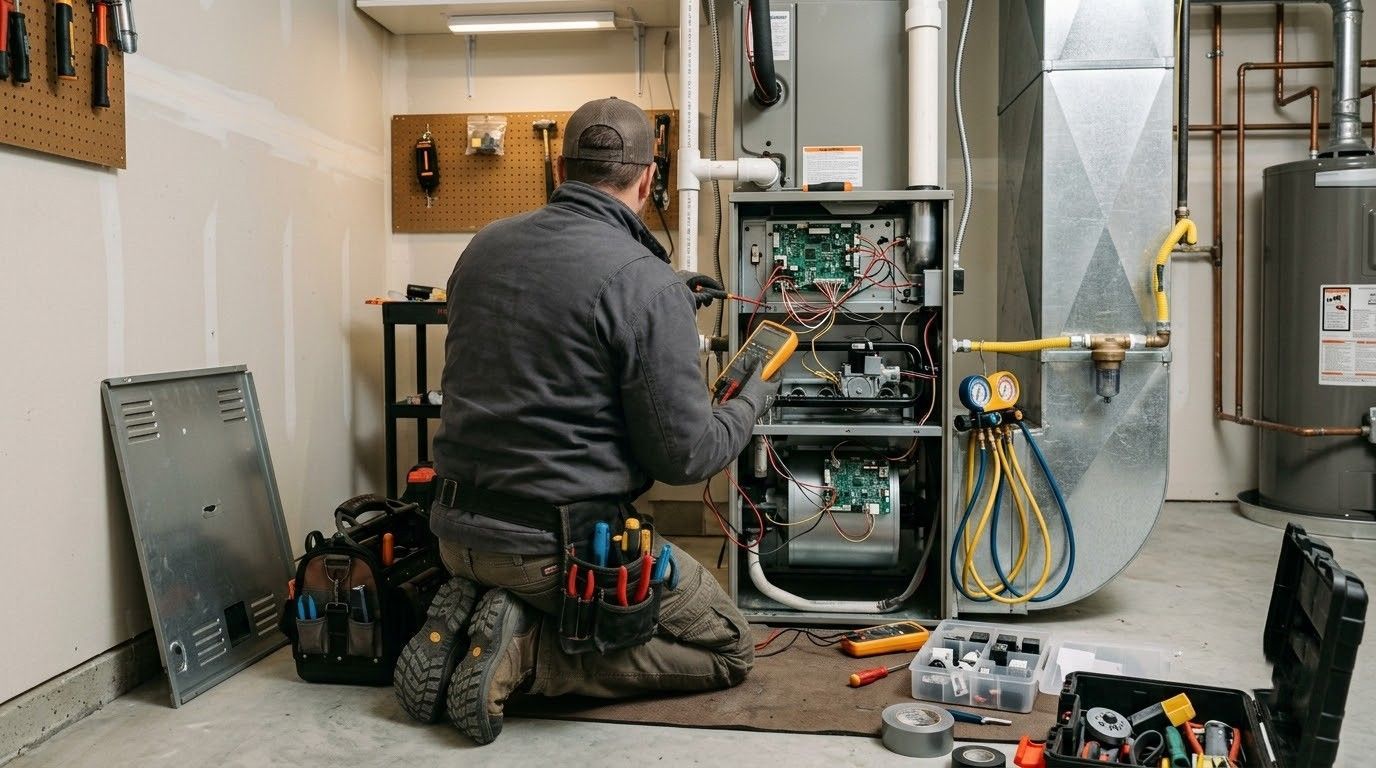
A furnace can produce warm air and still be venting combustion byproducts into the house. That is why every repair here ends with a combustion analysis and a carbon monoxide reading in the supply air, not just a confirmation that the burner lit. If the numbers are wrong, we shut it down and explain exactly why.
Where a permit is involved, the adopted residential code also requires carbon monoxide alarms outside sleeping areas in homes with fuel-fired appliances. We check whether yours exist and whether they are still in date.
- Combustion analyzed on every furnace call
- Heat exchanger inspected before sign-off
- Carbon monoxide measured in the supply air
- Repairs backed by a 90-day workmanship warranty
YOUR HOME STAYS SELLABLE
Active leaks and visible water damage kill inspection reports. A documented repair history reassures buyers, appraisers, and insurers that the roof over the property has been looked after.
FURNACE REPAIR
A FURNACE THAT SITS ALL SUMMER FORGETS HOW TO START.
10 months of desert dust settles on a burner assembly, a flame sensor grows an insulating film, and a hot surface ignitor that survived last winter cracks on its first cycle in November. None of that is wear from use. It is the specific failure pattern of equipment that runs a few hundred hours a year in a very dusty place, and it is entirely predictable.
SOOT IS A SYMPTOM WITH A CAUSE WORTH FINDING.
Black deposits on a burner or exchanger mean incomplete combustion, and in this part of Arizona the reason is often an appliance never adjusted for elevation. Fuel gas code calls for a 4 percent input reduction per 1,000 feet above 2,000 feet. A furnace running sea level input at 3,500 feet burns rich every cycle. Cleaning the soot without fixing that guarantees a return visit.
NOBODY SIGNS OFF ON A HEAT EXCHANGER SIGHT UNSEEN.
Condemning an exchanger is one of the most consequential calls in this trade, and it gets made far too casually. Ours is made with a camera, a combustion analyzer, and a pressure test, and the evidence goes to you. Two generations of working on gas appliances taught us that the honest answer is sometimes that the exchanger is fine and something cheaper is wrong. Which would you rather hear?
WHY CHOOSE US FOR FURNACE REPAIR.
Safety Verified With Instruments
Combustion analysis and a carbon monoxide reading close out every visit. That turns a subjective judgment about whether a furnace is safe into a number you can see for yourself.
Cheap Parts Tried First
A dirty flame sensor costs almost nothing to clean and solves a large share of no-heat calls. Testing the inexpensive possibilities before quoting a board or a valve saves real money.
Evidence, Not Verdicts
When something serious is found, you see the photograph and the reading behind it. A finding you can inspect yourself is worth more than an assurance you have to take on trust.
Elevation Errors Corrected
Where an appliance was never adjusted for local altitude, that gets identified and fixed. Correcting it protects the exchanger and stops the sooting cycle from repeating every heating season.
Same-Day Where Possible
Ignitors, flame sensors, pressure switches, capacitors, and common gas valves ride on the truck through winter. Most furnace faults are back in service the same day they are diagnosed.
Alarms Checked Too
Carbon monoxide alarm presence, placement, and age get reviewed while we are there. It costs nothing, and an expired alarm in a house with a gas appliance is worth knowing about.
WHAT WE REPAIR
OUR FURNACE REPAIR WORK
Furnace faults cluster into six areas, and the sequence of operation points at one of them every time. Each repair ends with combustion verified rather than with the burner simply lighting again.
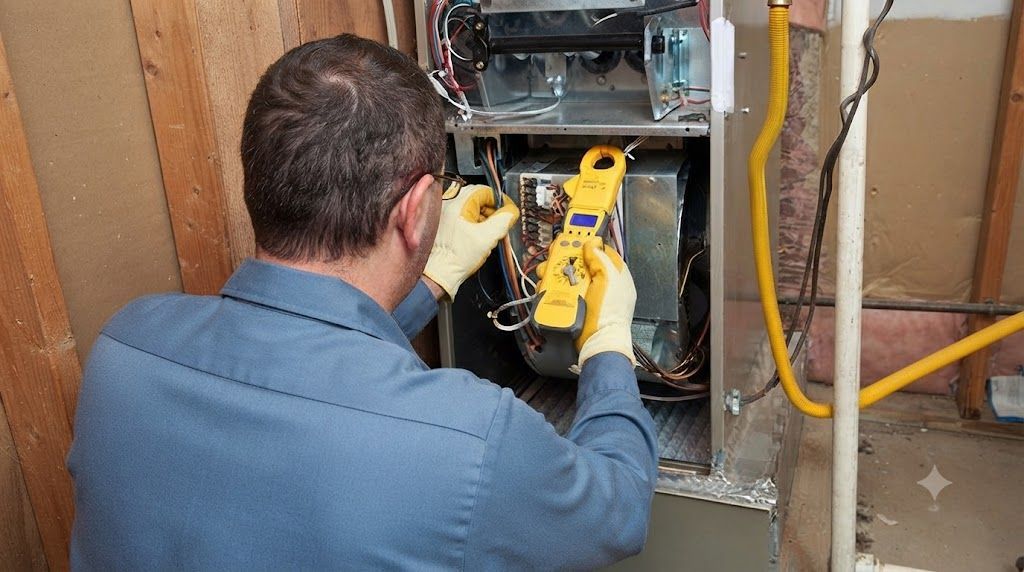
NO IGNITION
No-Heat and Lockout Diagnosis
A furnace locking out after 3 ignition attempts is telling you exactly where it failed. Reading the fault code, then verifying it against live measurements, turns a blinking light into an actual repair.
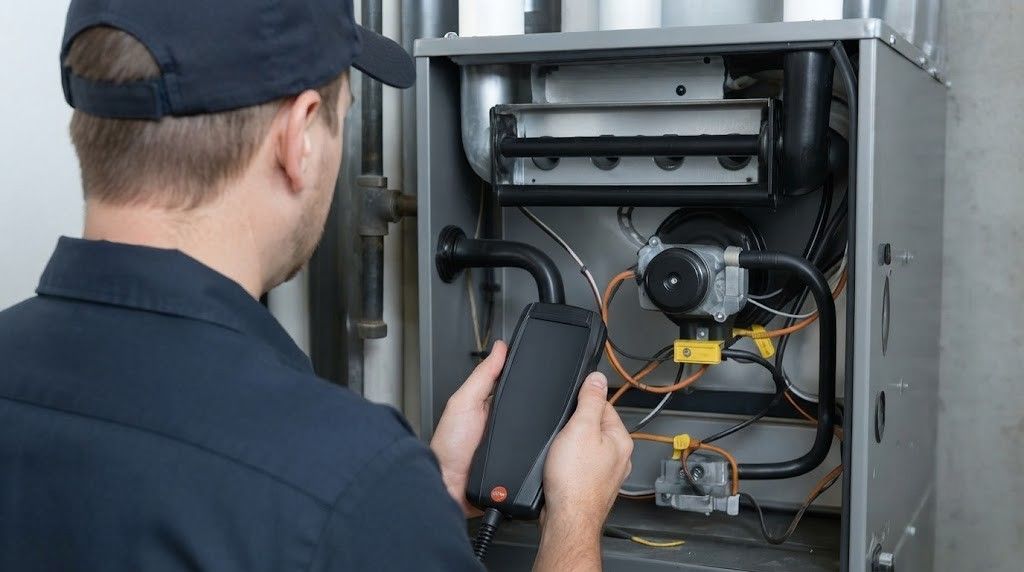
COMBUSTION
Combustion Analysis and Tuning
An analyzer probe in the flue reports oxygen, carbon monoxide, and stack temperature. Those three numbers reveal whether the burn is clean, whether the appliance is over-fired, and whether venting is doing its job.
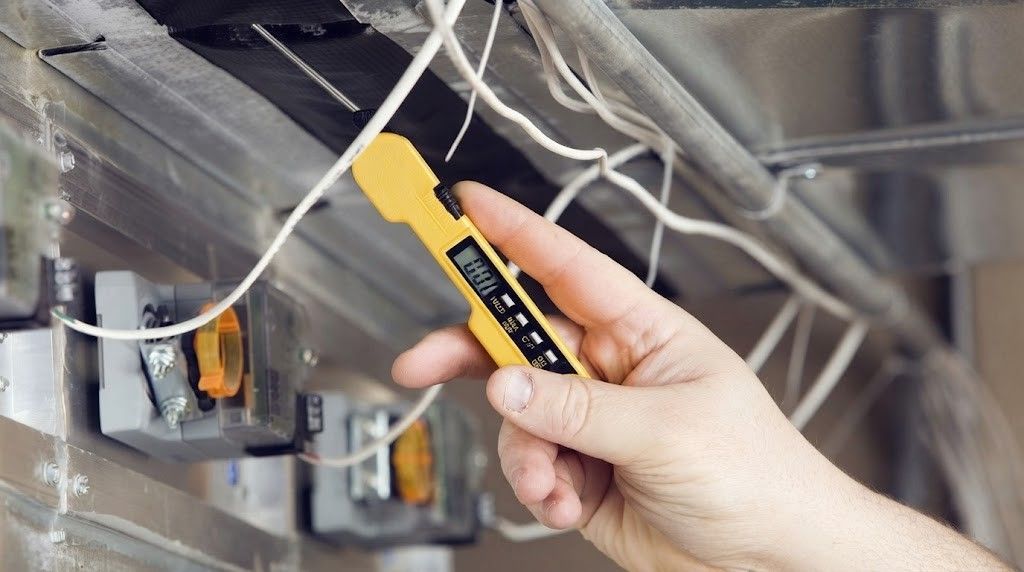
SHORT CYCLING
Cycling and Temperature Rise Correction
A furnace shutting down every few minutes is usually over-fired, starved for return air, or tripping a limit. Measuring temperature rise against the rating plate identifies which of those is happening.
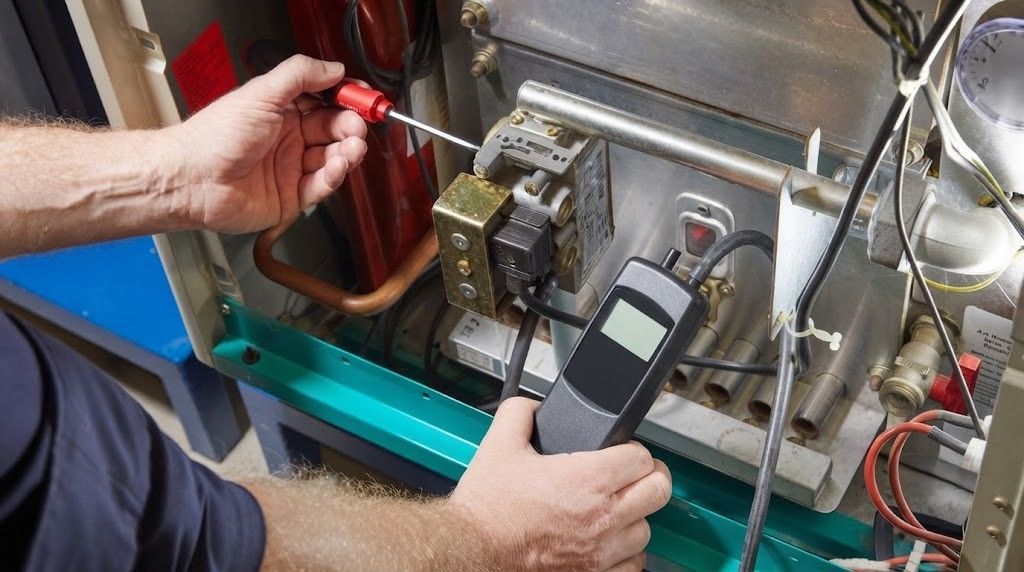
ALTITUDE SETUP
High-Altitude Derate and Orifice Correction
Appliances installed without the elevation adjustment run rich and soot their exchangers. Fitting the correct orifice set and re-verifying manifold pressure brings the burn back within the manufacturer's published range.
VENT ISSUES
Flue and Draft Repair
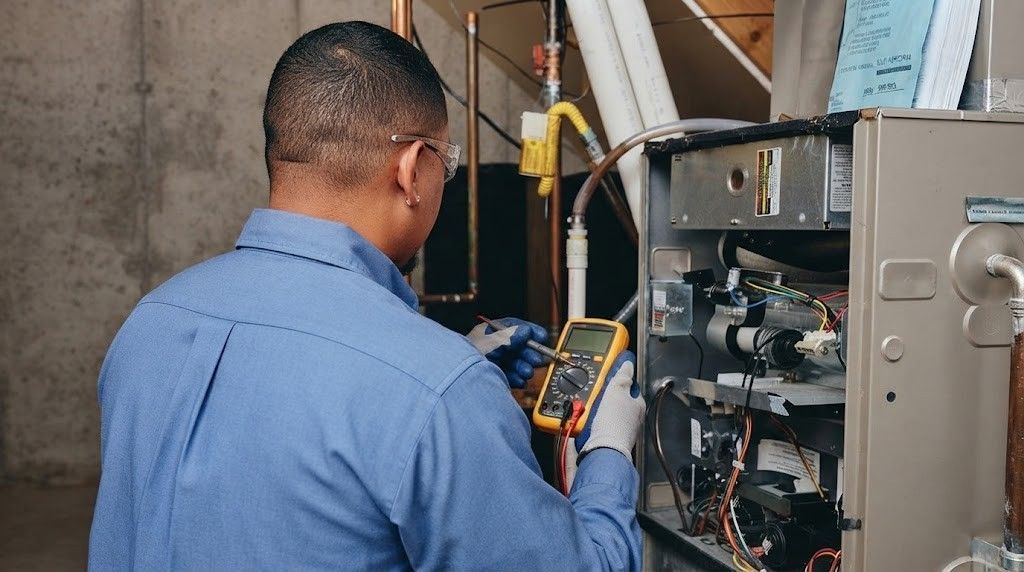
Disconnected vent sections, rodent nests, corroded connectors, and blocked terminations all interrupt draft. Restoring a clear, correctly pitched vent path matters as much to safety as anything happening at the burner.
GAS SUPPLY
Gas Pressure and Leak Testing
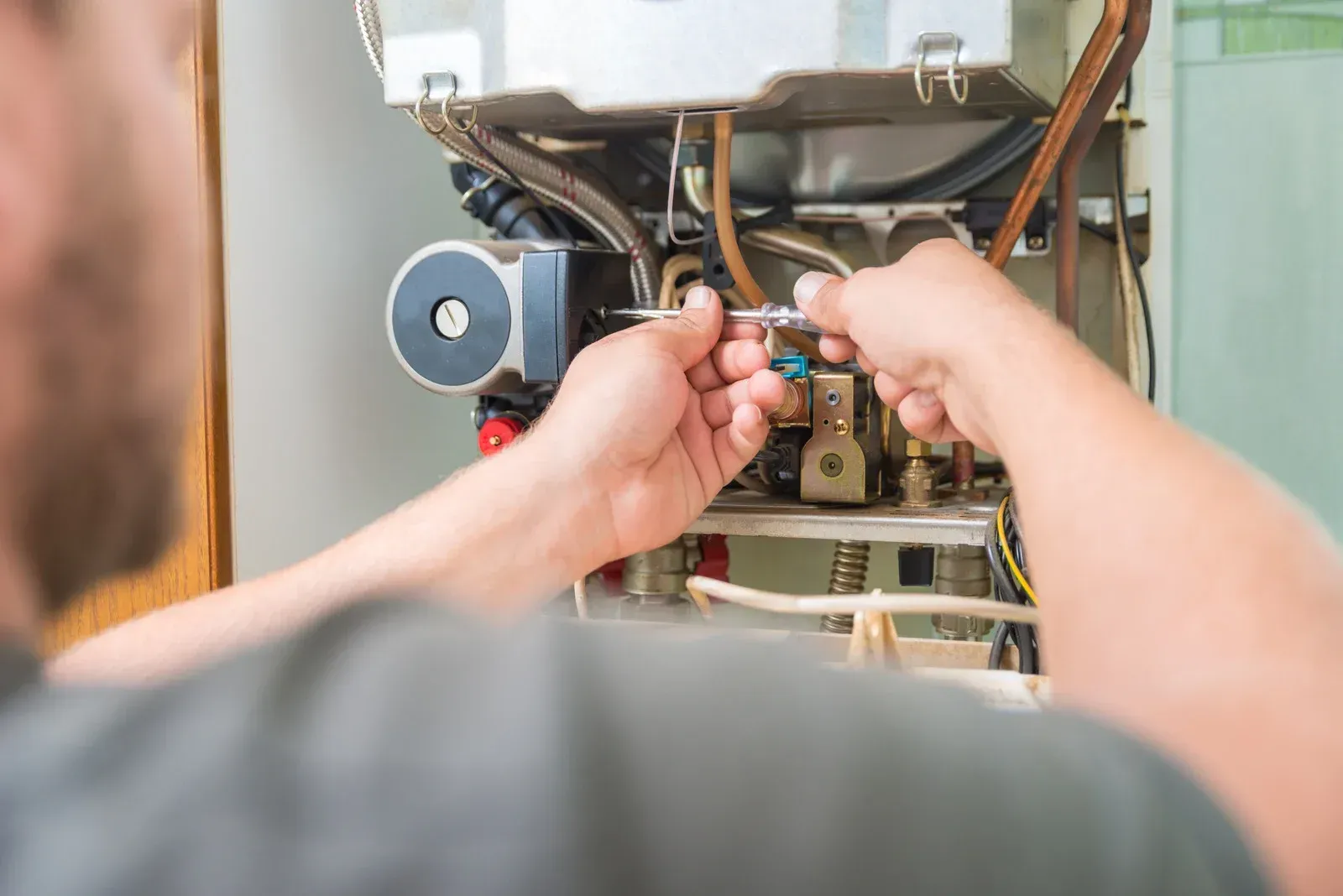
Incoming and manifold pressures get measured under load, and joints are leak tested with solution or an electronic detector. Low supply pressure produces symptoms that look exactly like a failing appliance.
faq
frequently asked
questions.
Furnace questions we answer most often, especially in the first cold week of the season. Anything involving a smell, soot, or an alarm sounding deserves a call rather than a search result.
Why is my furnace not igniting?
A dirty flame sensor, a cracked ignitor, a closed pressure switch circuit, or a gas supply issue account for most cases. The control board's fault code usually narrows it to one of those quickly.
How do you fix a furnace that will not turn on?
Start with the obvious: thermostat mode, batteries, the breaker, and the blower door switch. If those are fine, the fault is inside the sequence and needs a meter rather than another reset attempt.
Why does my gas furnace blow cold air at startup?
That is normal for the first 30 to 60 seconds while the exchanger warms. Cold air continuing past that means the burner shut down early or the blower engaged before it should have.
What causes gas furnaces to fail to ignite?
Sensor contamination, ignitor failure, insufficient draft, low gas pressure, and control faults, roughly in that order. Abbey Aire and Building Repair tests each in sequence on calls throughout Benson & Tucson, AZ rather than guessing.
How do I fix my furnace from short cycling?
Find out why it is overheating or over-firing. A clogged filter, closed registers, an over-fired burner, or a failing limit switch each produce the same symptom and need different corrections.
Does short cycling damage a furnace?
Yes, over time. Each start stresses the ignitor and the exchanger, and repeated thermal expansion is one of the mechanisms that eventually cracks an exchanger. It also wastes fuel on every cycle.
Is it dangerous if my furnace is blowing cold air?
Usually not by itself, though a burner shutting down repeatedly can indicate a draft or overheating problem worth checking. Abbey Aire and Building Repair measures combustion on those calls across Benson, AZ before restarting anything.
What are the signs of a cracked heat exchanger?
A flame that flutters when the blower starts, soot deposits, a sharp odor during operation, visible cracking or corrosion, and elevated carbon monoxide readings. Any one of them justifies a full inspection.
HOW WE WORK
FROM FAULT CODE TO CLEAN COMBUSTION, HERE IS HOW.
STEP 01
Read the Symptoms
Fault codes, lockout behavior, smells, sounds, and what the thermostat is doing all get gathered first. That information decides which tools come off the truck and often which part comes with them to the door.
STEP 02
Safety First
Before the furnace is cycled, gas connections, venting, and the immediate area are checked. Any active gas leak or disconnected flue stops everything until it is corrected and verified safe to operate again.
STEP 03
Isolate the Failed Step
The unit is run through its full ignition sequence while each stage is measured. Microamps, resistance, pressure, and voltage readings identify precisely where the process stops rather than where it seems to stop.
STEP 04
Inspect the Exchanger
Camera inspection and combustion testing evaluate the heat exchanger regardless of what the original complaint was. Documenting its condition with images protects you whether the news that day is good news or bad.
STEP 05
Repair and Adjust
Parts are replaced, burners cleaned, sensors polished, and manifold pressure set to the rating plate with any elevation derate applied. Reassembly includes verifying the door switch and the vent connections before power returns to the unit.
STEP 06
Prove It With Numbers
The repaired furnace runs multiple cycles while temperature rise, combustion, draft, and carbon monoxide are measured. Those readings go to you along with the warranty terms and any recommendation worth acting on soon.
GET YOUR ESTIMATE
A FURNACE THAT WORKS, AND PROOF THAT IT IS SAFE.
Heat and safety are one job, not two separate visits. Describe what your furnace is doing through our contact page and Abbey Aire and Building Repair will diagnose it properly at your Benson & Tucson, AZ property.
WHAT YOUR FURNACE REPAIR COVERS:
- Fault codes read and verified by measurement
- Gas and venting safety checked before cycling
- Heat exchanger inspected and documented
- Combustion tuned to the manufacturer's range
- Carbon monoxide measured in the supply air
- A 90-day workmanship warranty on the repair