

HVAC Maintenance
HVAC MAINTENANCE IN Benson & Tucson, AZ
About 20 to 30 percent of the air moving through a typical home's duct system escapes through leaks, holes, and poorly connected joints before it ever reaches a room. Abbey Aire and Building Repair treats routine HVAC maintenance as whole-system work rather than a simple one-off equipment visit, across Benson & Tucson, AZ, St. David, Vail, Marana, and Oro Valley.
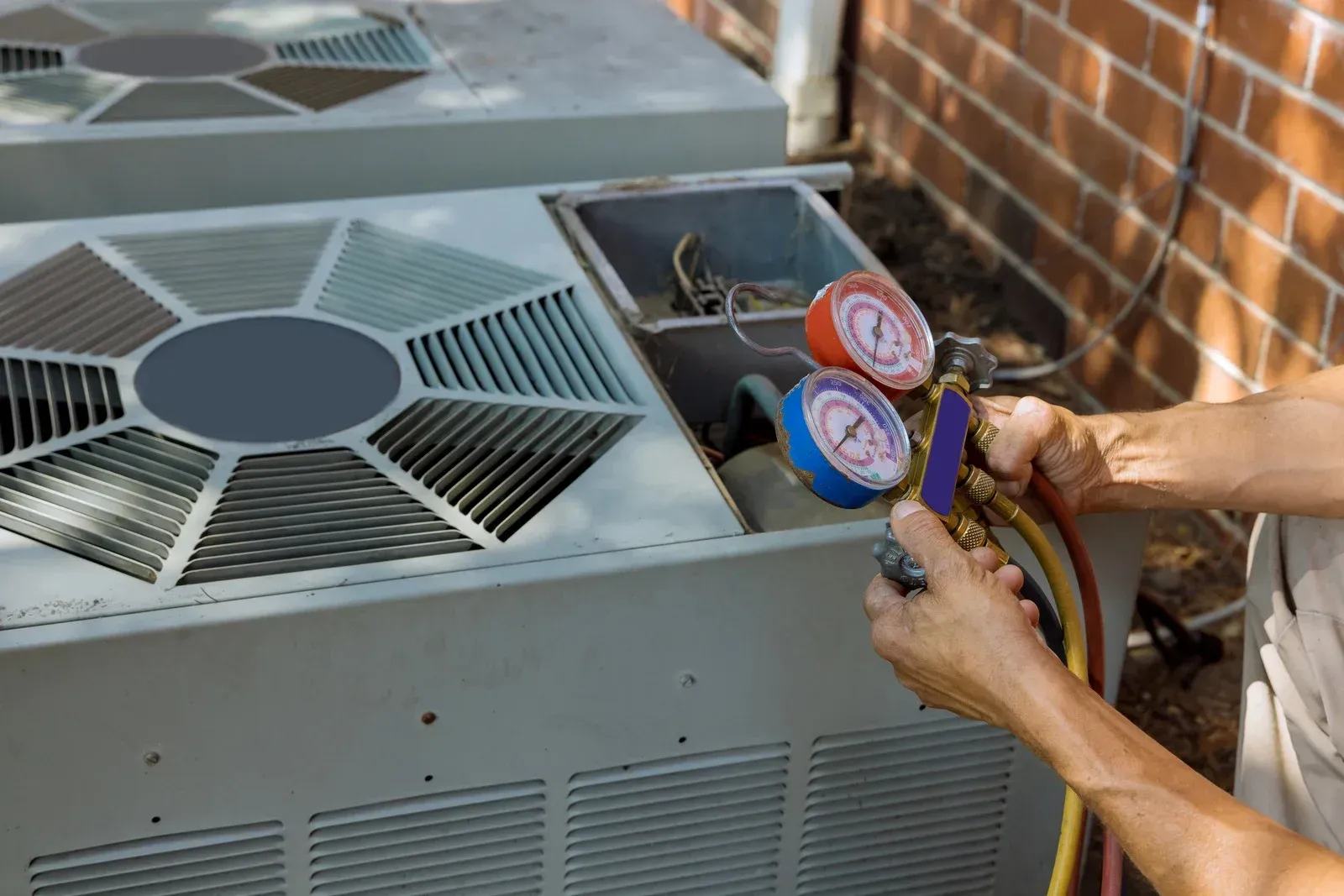
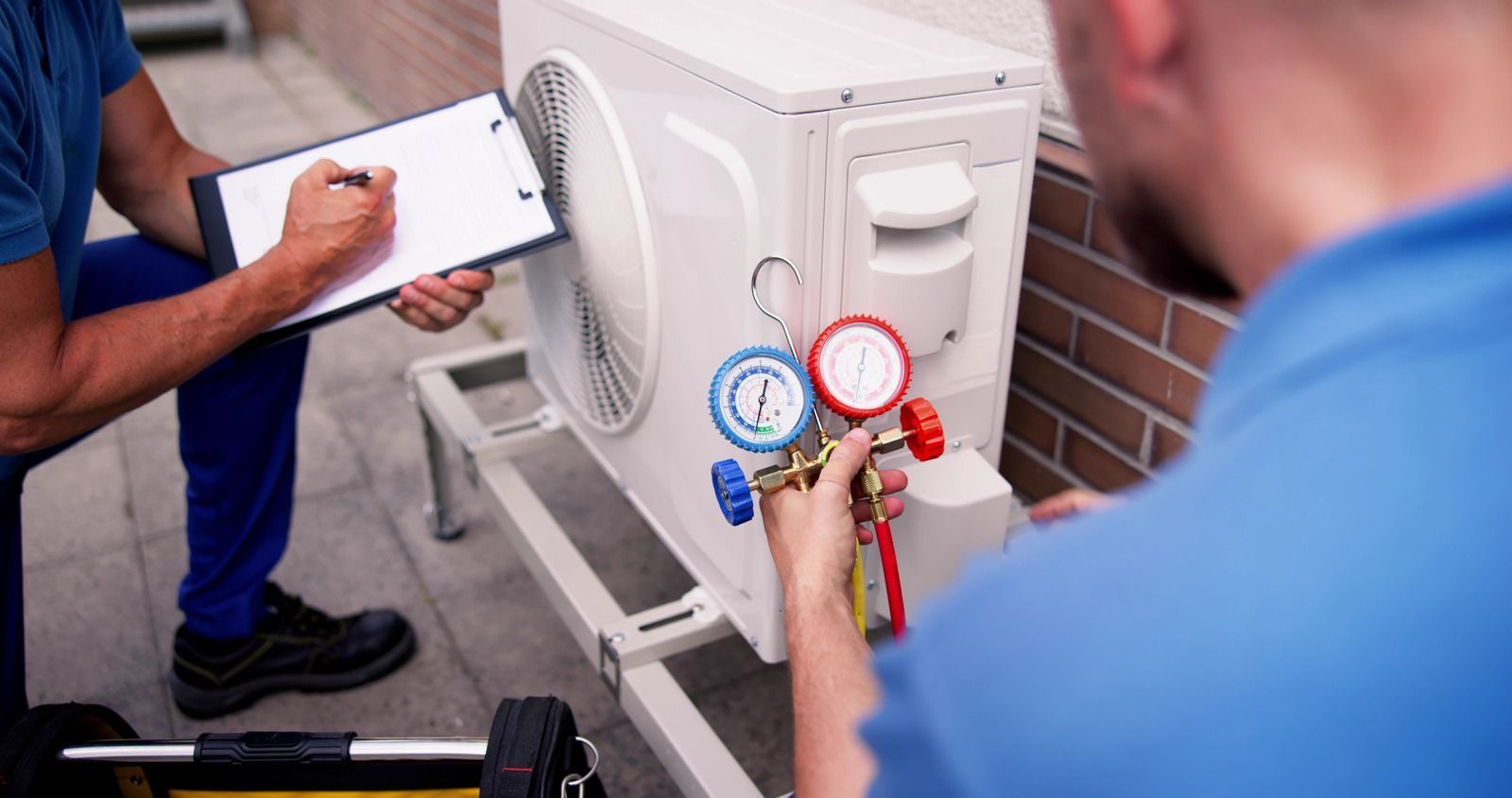
THE EQUIPMENT IS HALF THE SYSTEM. THE DUCTS ARE THE OTHER HALF.
A perfectly maintained condenser feeding a leaking duct run in a 140 degree attic delivers a fraction of what it produces. Whole-system maintenance measures static pressure, checks for obvious leakage at plenums and boots, and looks at insulation condition. Cleaning the equipment while ignoring the distribution is how a serviced system still underperforms every season.
Both the heating and cooling sides get attention on the same schedule, because in this climate a single system does both jobs and neither one should be discovered broken in the wrong month.
- Heating and cooling sides both serviced
- Static pressure and airflow measured, not estimated
- Duct condition and insulation inspected
- Written report after every scheduled visit
YOUR HOME STAYS SELLABLE
Active leaks and visible water damage kill inspection reports. A documented repair history reassures buyers, appraisers, and insurers that the roof over the property has been looked after.
HVAC MAINTENANCE
A SERVICE PLAN IS ONLY WORTH THE MEASUREMENTS IN IT.
Plenty of maintenance agreements amount to a filter, a rinse, and an invoice. What separates a useful one is data: static pressure across the air handler, temperature rise in heating, temperature split in cooling, amp draws on every motor, and combustion figures where gas is involved. Numbers recorded season after season show the trend line, and the trend line is what predicts a failure before it happens.
DESERT FILTER SCHEDULES ARE NOT NATIONAL FILTER SCHEDULES.
Manufacturer guidance written for a national audience assumes a 90-day filter. Blowing dust, unpaved roads, monsoon fronts, and open-window shoulder seasons make that unrealistic here. Federal building science guidance already notes that a lower-rated filter replaced far more often can beat a high-rated filter left in place, and in this environment that trade-off is worth taking seriously on almost every system we service.
EVERY MEASUREMENT GETS WRITTEN DOWN, EVERY VISIT.
A maintenance record is only useful if somebody kept one. Ours goes back to the first visit on every system we service, so when a capacitor drifts or static pressure climbs, the change is visible rather than guessed at. Across 35+ years of doing this work in Southern Arizona, the pattern is consistent: the systems with a paper trail last measurably longer. Does yours have one already?
WHY CHOOSE US FOR HVAC MAINTENANCE.
One Visit, Both Seasons
Heating and cooling components get serviced together rather than on two separate trips. That means one appointment, one report, and no discovering in December that the furnace needed attention in October.
Ducts Included in the Conversation
Static pressure readings expose distribution problems that equipment-only servicing never touches. Knowing your ducts are costing you a quarter of your capacity is worth far more than another clean condenser.
A Filter Schedule That Fits
Filter type, size, and change interval get set to your actual conditions rather than a printed default. Properties on dirt roads get a different recommendation than properties in town.
Failures Predicted, Not Discovered
Trending data turns maintenance into forecasting. A capacitor losing capacitance across 3 visits gets replaced on a Tuesday in March rather than during the first heat wave of June.
Priority When Something Breaks
Customers on a maintenance schedule move up the list when a genuine failure happens. Knowing the system already, and having its history on file, also shortens the diagnosis considerably.
Documentation for Warranty Claims
Manufacturers routinely ask for proof of annual service when a parts claim is filed. A complete service record removes that argument entirely at the point where it matters most.
WHAT WE SERVICE
OUR HVAC MAINTENANCE WORK
Whole-system maintenance spans six areas across the equipment and the distribution. The goal on every visit is a written picture of how the system is performing rather than a confirmation that it runs.

SEASONAL PLANS
Spring and Fall Service Visits
Two scheduled visits a year cover the cooling side before summer and the heating side before winter. Each visit closes out the season that just ended and prepares for the one arriving.
DUCT REVIEW
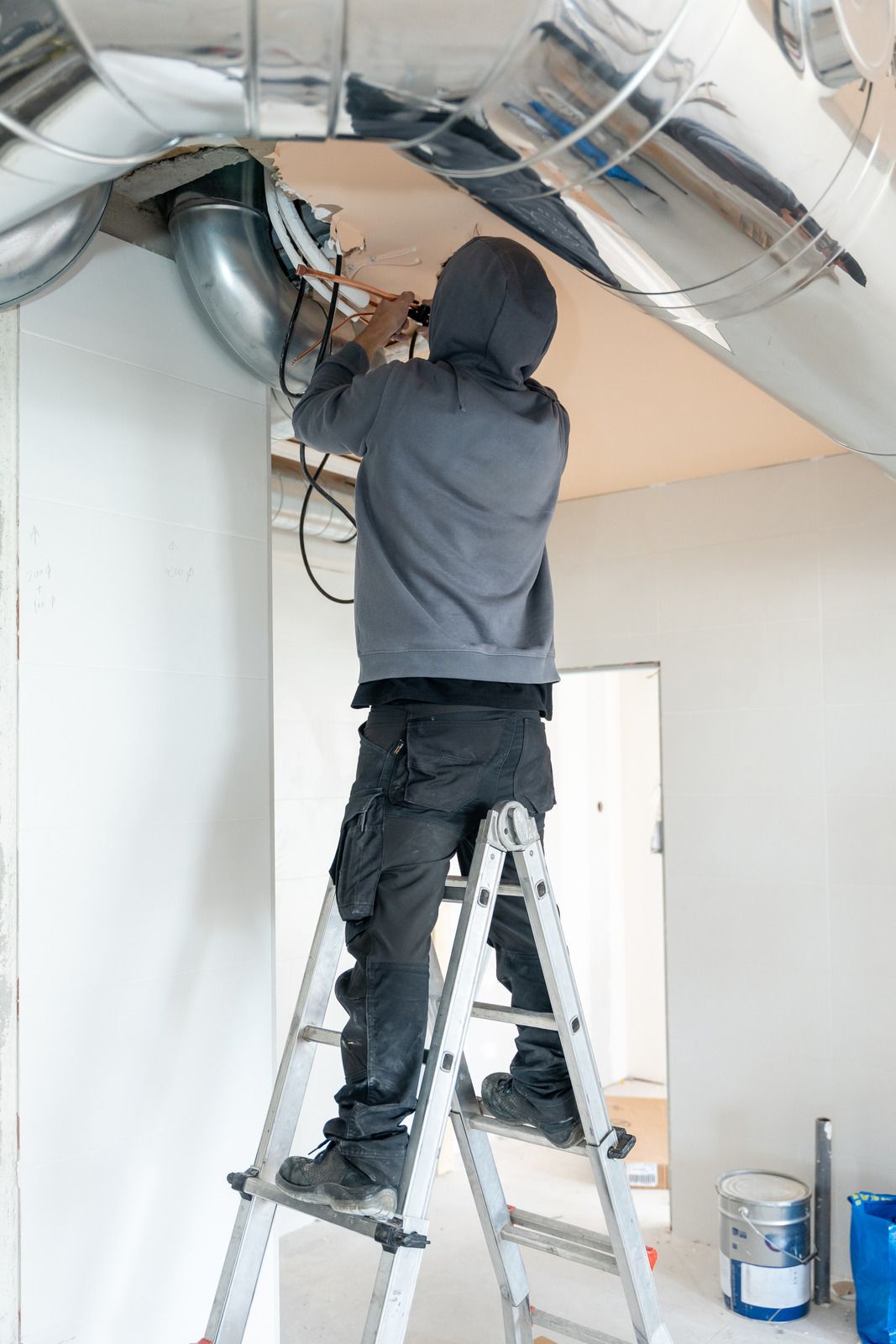
Duct Inspection and Leakage Assessment
Accessible runs get inspected for disconnected boots, crushed flex, failed mastic, and missing insulation. Static pressure readings indicate restriction even in the sections where the ductwork itself cannot be reached or seen.
FILTRATION
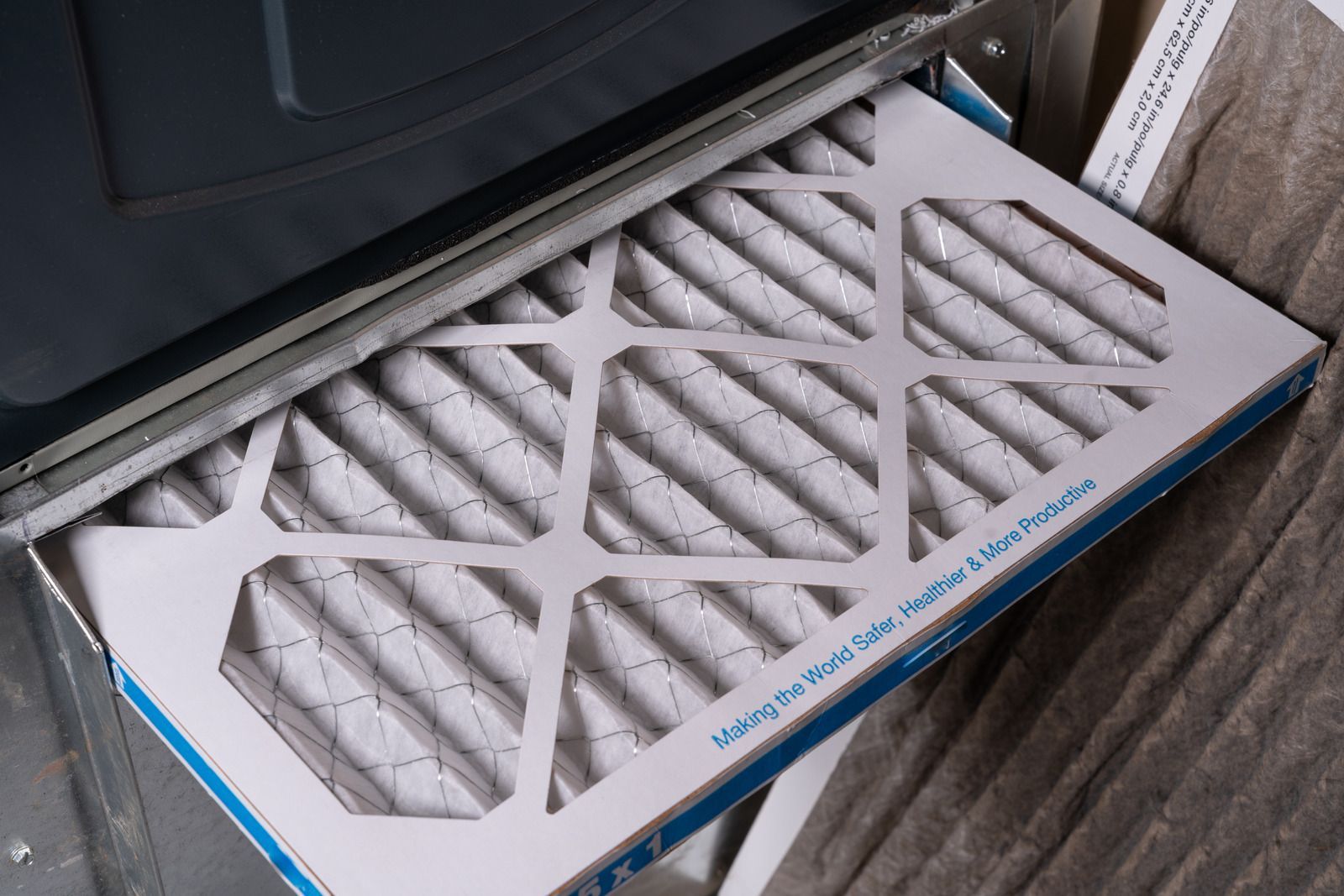
Filter Selection and Replacement Program
The right filter balances particle capture against the pressure drop your blower can tolerate. Sizes, ratings, and intervals get set once and then stocked so replacements are never a scavenger hunt.
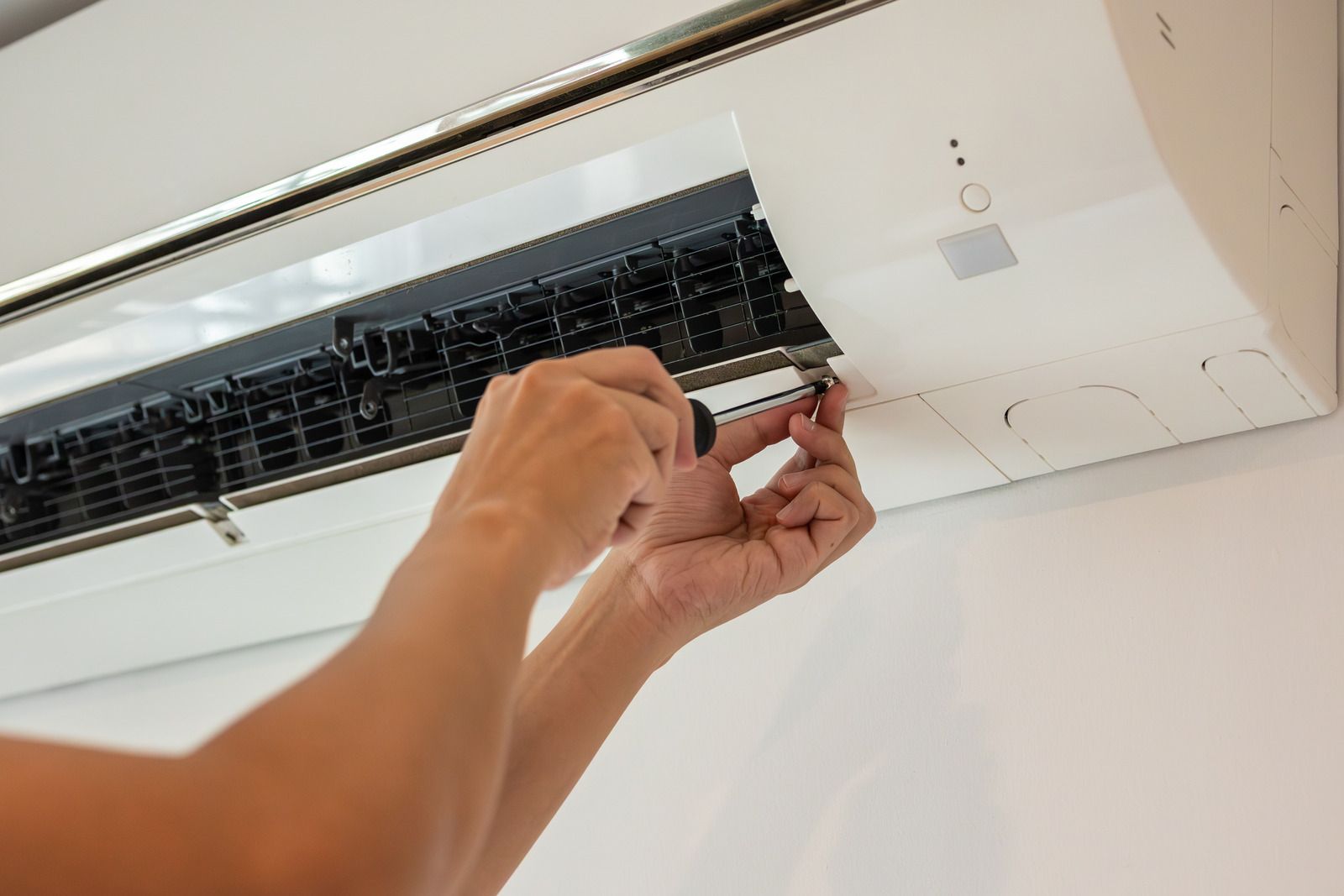
HEATING SIDE
Heating System Seasonal Service
Burners, ignitors, sensors, venting, and safety controls all get inspected before the first cold week. Combustion is analyzed and carbon monoxide measured on any fuel-fired appliance serving the building that season.
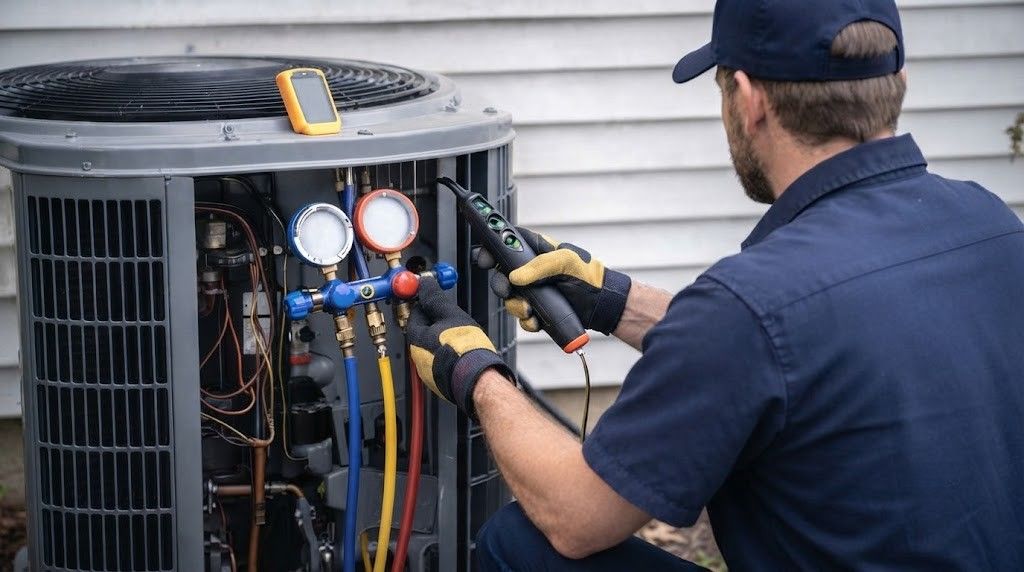
COOLING SIDE
Cooling System Seasonal Service
Coils, charge, drainage, motors, and controls get the full treatment before the first triple-digit stretch. Readings from the previous season provide the comparison that makes any change immediately obvious on paper.

RECORD KEEPING
Service History and Trend Reporting
Every reading joins a running record for the equipment. Over several seasons that file shows which components are drifting, which are stable, and where the next investment should sensibly go.
faq
frequently asked
questions.
General maintenance questions that apply across heating and cooling equipment. Anything specific to your system's age, fuel type, or duct layout is better answered after a first visit.
What is included in HVAC maintenance?
Inspection and cleaning of both the heating and cooling sides, performance measurements, electrical testing, filter service, drain service, control verification, and a duct condition review. Findings arrive in writing afterward.
How often should HVAC maintenance be done?
Twice a year is the standard recommendation, and it fits this climate well because the same equipment works both seasons. Properties on dirt roads or with heavy dust exposure sometimes justify more.
What happens during an HVAC maintenance check?
Readings first, cleaning second, verification third. Abbey Aire and Building Repair follows that order on every visit in Benson, AZ so the report shows what the system was doing before anything changed.
Why is regular HVAC maintenance important?
It preserves capacity, catches small faults early, keeps warranty coverage valid, and produces a record that makes replacement decisions rational later. In a climate this demanding, deferred maintenance compounds faster than most people expect.
What should I do before an HVAC tune-up?
Clear access to the indoor and outdoor units, note any symptoms you have noticed, and have the filter size handy. Anything odd you have heard or smelled is worth mentioning up front.
How can I perform HVAC maintenance myself?
Change filters on schedule, keep the outdoor unit clear of debris and vegetation, pour a cup of vinegar down the condensate line periodically, and keep registers unblocked. Everything else requires instruments.
What is the HVAC maintenance checklist?
Coils, charge, airflow, static pressure, electrical components, drains, filters, controls, venting, combustion, and duct condition. Abbey Aire and Building Repair works through the same list on every property in Benson & Tucson, AZ.
Do I need to service my furnace every year?
Yes, even in a climate where it runs very little. Idle equipment develops different problems than busy equipment, and a furnace that has not been checked since spring is the one that fails in December.
HOW WE WORK
FROM FIRST VISIT TO A RUNNING RECORD, HERE IS HOW.
STEP 01
Establish the Baseline
The first visit documents everything: model and serial numbers, installation date, current readings, duct condition, filter sizes, and any existing faults. That file becomes the reference for every visit afterward on that system.
STEP 02
Set the Schedule
Two visits a year is the default, timed ahead of the cooling and heating seasons. Properties with unusual dust exposure or critical equipment sometimes warrant a third, which we will say plainly up front.
STEP 03
Service the Cooling Side
Coils cleaned, charge verified, drains cleared, motors tested, airflow measured. The cooling visit lands in spring so anything needing a part is handled before the first serious heat arrives in early June each year.
STEP 04
Service the Heating Side
Burners cleaned, sensors polished, combustion analyzed, safety controls tested, venting inspected. The heating visit lands in autumn, well before the first freezing night makes the appointment an urgent one instead of routine work.
STEP 05
Review the Distribution
Accessible ductwork, plenum connections, insulation, and register performance all get checked at least annually. Static pressure trending flags a developing restriction long before anyone notices a single room going warm in the middle of July.
STEP 06
Report and Recommend
Each visit produces a written summary with readings, work performed, and anything trending. Recommendations come with a timeframe rather than urgency, so you can plan the expenditure yourself instead of reacting to it later.
GET YOUR ESTIMATE
PUT THE WHOLE SYSTEM ON A SCHEDULE THAT WORKS.
Equipment, ducts, controls, and safety all on one calendar with a written record behind it. Reach out through our contact page and Abbey Aire and Building Repair will set it up in Benson, AZ.
WHAT YOUR MAINTENANCE PLAN COVERS:
- Scheduled visits for both heating and cooling
- Full performance readings recorded each time
- Duct condition and static pressure reviewed
- Filters selected and replaced on a desert schedule
- Combustion and safety checks on gas appliances
- A running service record you can actually use