Heating Repair
HEATING REPAIR IN Benson & Tucson, AZ
Benson records 85 nights a year at or below freezing, against about 12 in Tucson, 40 miles west. Heating equipment here sits idle for much of the year and then gets asked to work hard on short notice. Abbey Aire and Building Repair repairs gas furnaces, heat pumps, and packaged units across Benson & Tucson, AZ, St. David, Vail, and Sahuarita, AZ.
IDLE EQUIPMENT FAILS DIFFERENTLY THAN BUSY EQUIPMENT.
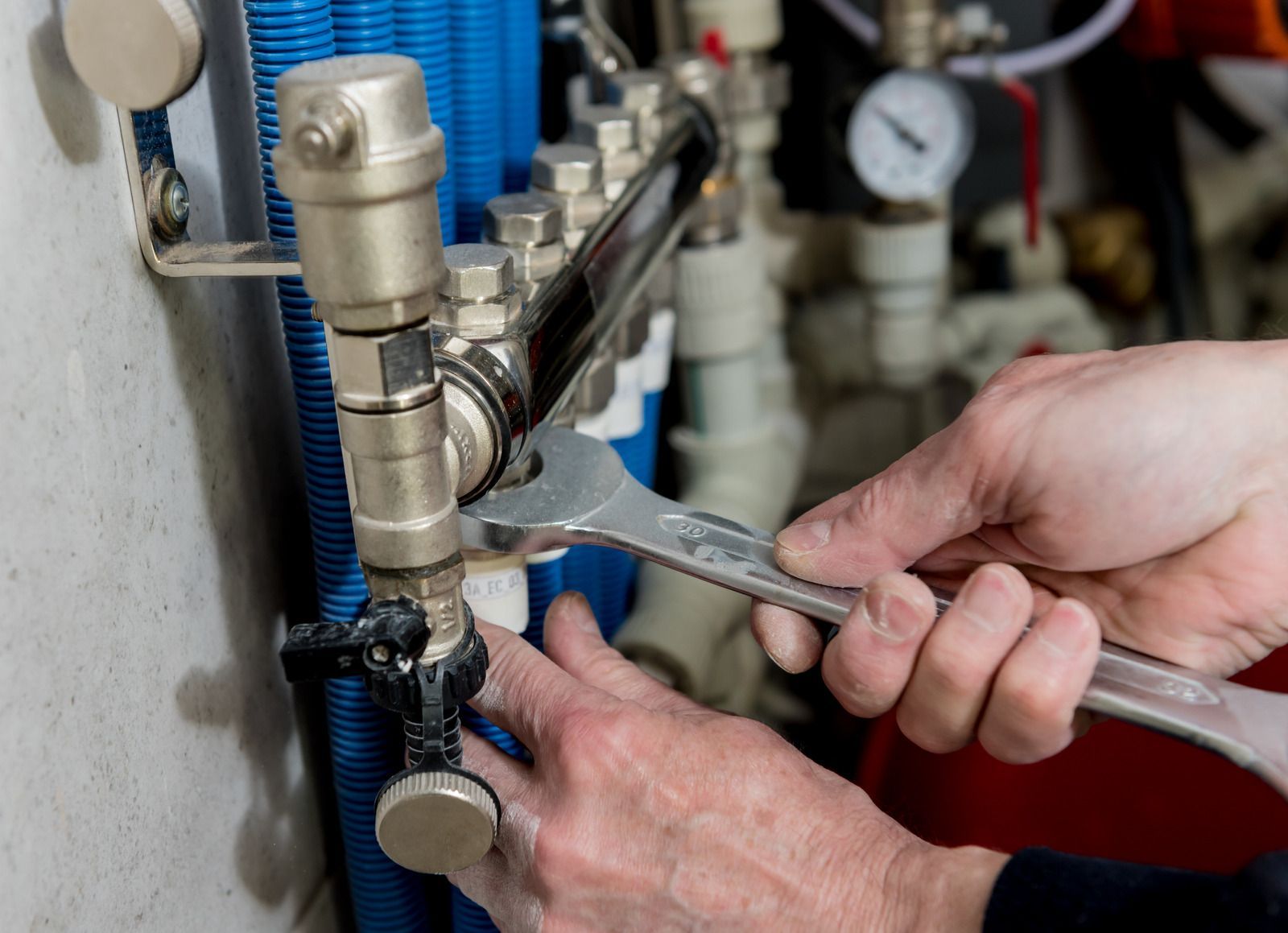
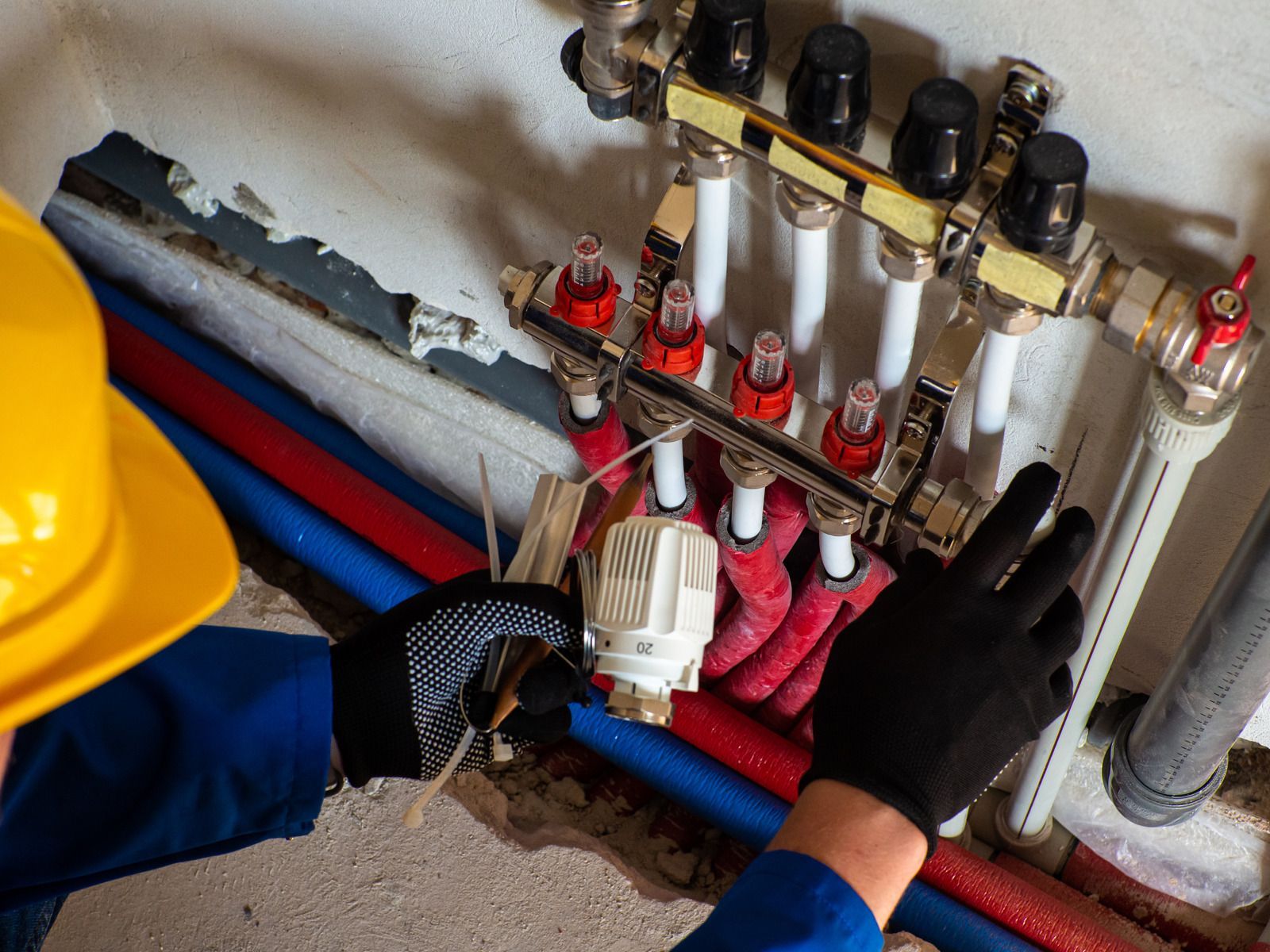
A furnace that runs 300 hours a season does not wear out its blower. It corrodes a flame sensor, seizes an inducer bearing, drifts out of calibration, and collects dust on a burner assembly that then refuses to light on the first cold morning. Diagnosing heat in this climate means looking for neglect faults rather than wear faults.
We test the full sequence of operation, from thermostat call through inducer proving, ignition, flame sense, and blower engagement. The fault always sits at one specific step, and that step is findable.
- Full sequence of operation tested, not guessed
- Combustion and carbon monoxide readings taken
- Safety controls verified before the system restarts
- Repairs backed by a 90-day workmanship warranty
YOUR HOME STAYS SELLABLE
Active leaks and visible water damage kill inspection reports. A documented repair history reassures buyers, appraisers, and insurers that the roof over the property has been looked after.
HEATING REPAIR
NO HEAT AT 6 A.M. IS A REAL PROBLEM HERE.
People outside the region assume Southern Arizona does not get cold. Benson mornings in January routinely sit near 30 degrees, and the higher ground east of town runs colder still. A house without heat at that hour is uncomfortable at best and genuinely risky for infants, older adults, and anyone with a health condition. Heating calls get the same priority as a cooling failure in July.
ALTITUDE CHANGES HOW A GAS APPLIANCE BURNS.
Fuel gas code requires input ratings to be reduced by 4 percent for every 1,000 feet above 2,000 feet unless the manufacturer says otherwise. Benson sits near 3,589 feet, which puts most equipment here in derate territory. A furnace fired at sea level input runs rich, sooting the exchanger and raising carbon monoxide. We check orifice sizing whenever combustion looks wrong on a call.
TWO GENERATIONS OF TROUBLESHOOTING, ONE SET OF METERS.
Heating faults reward patience more than parts. A combustion analyzer, a manometer, and a multimeter answer questions that swapping components never will, and knowing which reading to take first is what experience actually buys. Between the two of us we have worked through 35+ years of ignition boards, gas valves, pressure switches, and control sequences on residential and light commercial equipment. What is your system doing when it fails?
WHY CHOOSE US FOR HEATING REPAIR.
Safety Checked, Not Assumed
Every heating repair includes combustion testing and a carbon monoxide reading. A system that produces heat is not automatically a system that is safe to leave running overnight.
Faults Found at the Source
Testing the sequence of operation isolates the exact step that fails. That avoids the expensive habit of replacing an ignition board when the real fault was a dirty flame sensor.
Fast Response When It Is Cold
A house without heat on a freezing morning moves up the schedule. Common heating parts ride on the truck through the winter months, so most calls finish the same day they start.
No Unnecessary Parts
Components get tested before they get replaced. If a pressure switch measures within tolerance, it stays in the unit, and the invoice reflects the work that was actually necessary.
Altitude Handled Correctly
Equipment installed without the proper high-altitude adjustment burns badly and fails early. Where we find that, it gets flagged and corrected rather than repaired around, season after season.
Warranty on the Work
Heating repairs carry the same 90-day workmanship warranty as cooling work. If the fault returns within that period, the return visit costs you nothing in diagnostic time.
WHAT WE REPAIR
OUR HEATING REPAIR WORK
Six areas account for nearly every no-heat call. Whether the system is a gas furnace, a heat pump, or a packaged unit, the diagnostic path runs through the same sequence and lands on one component.
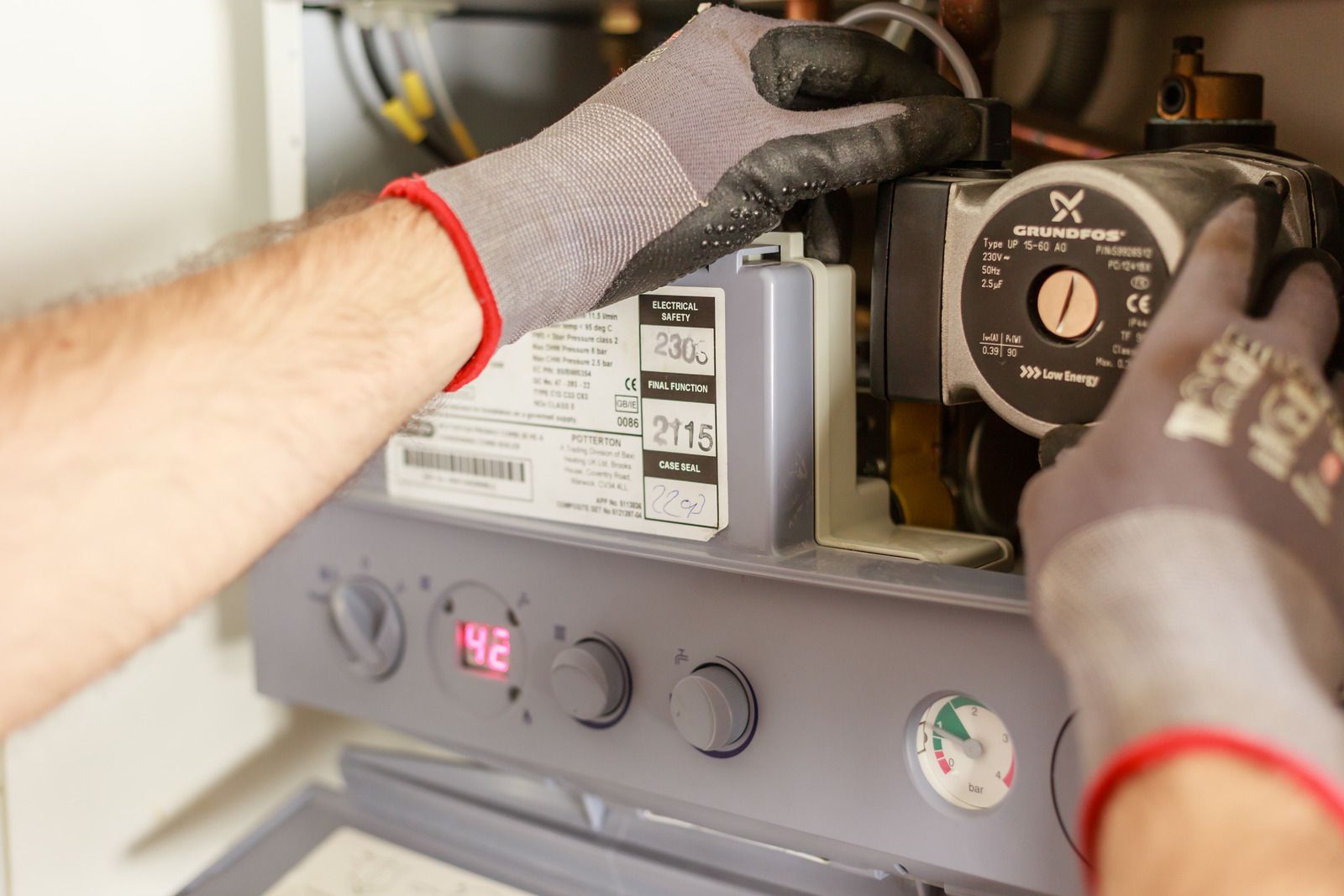
IGNITION FAULTS
Ignitor and Flame Sensor Repair
Hot surface ignitors crack with age and flame sensors build an oxide film that stops proving flame. Both produce a system that tries, lights briefly, and shuts down again within seconds.
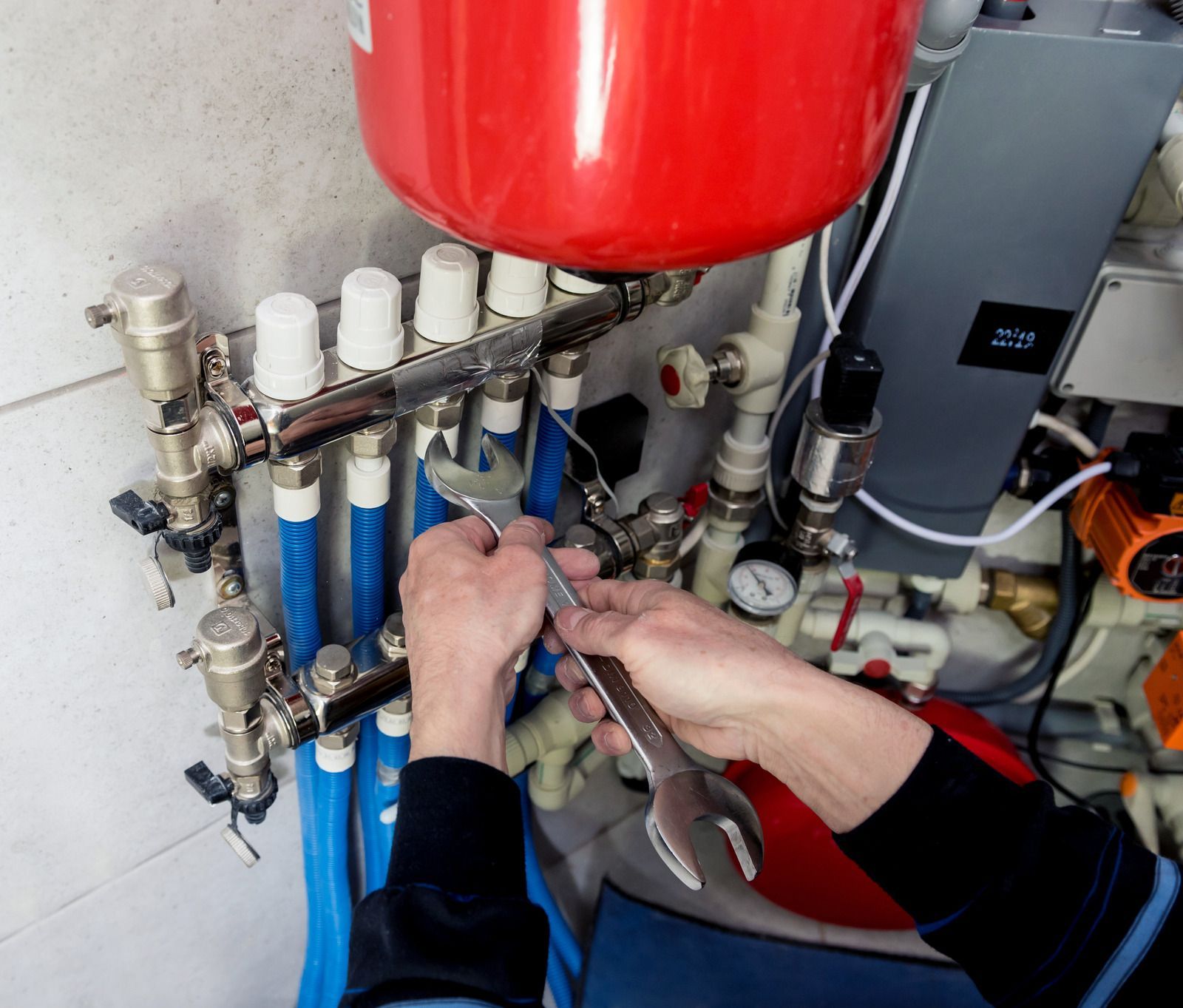
GAS DELIVERY
Gas Valve and Burner Service
Manifold pressure gets measured against the rating plate, burners are cleaned and aligned, and the valve is tested through its staging. Incorrect pressure shows up as short cycling long before it shows as no heat.
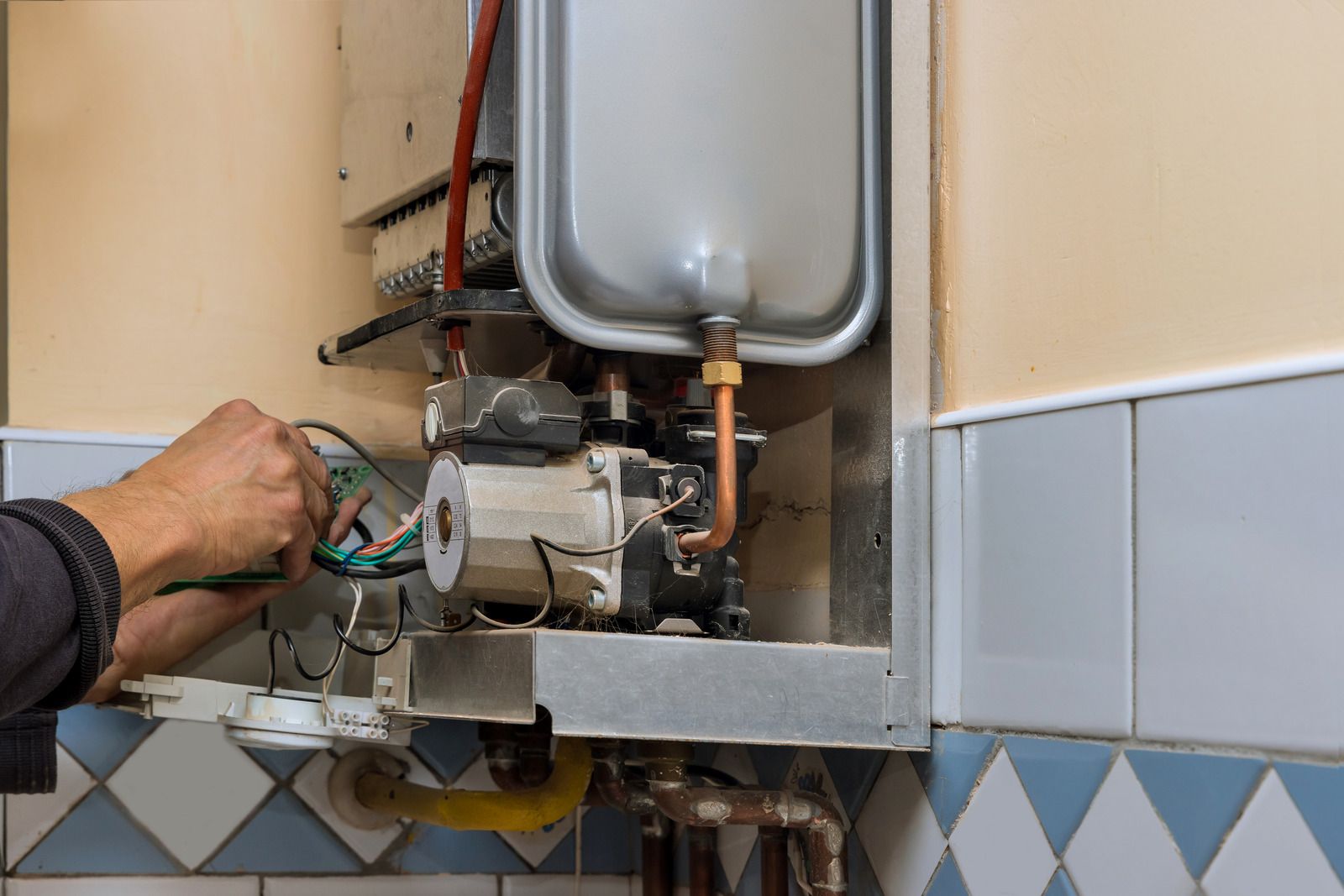
DRAFT PROVING
Inducer and Pressure Switch Repair
A blocked vent, a cracked hose, a failing inducer motor, or a switch out of calibration all stop the sequence at the same point. Testing under actual draft conditions separates them quickly.
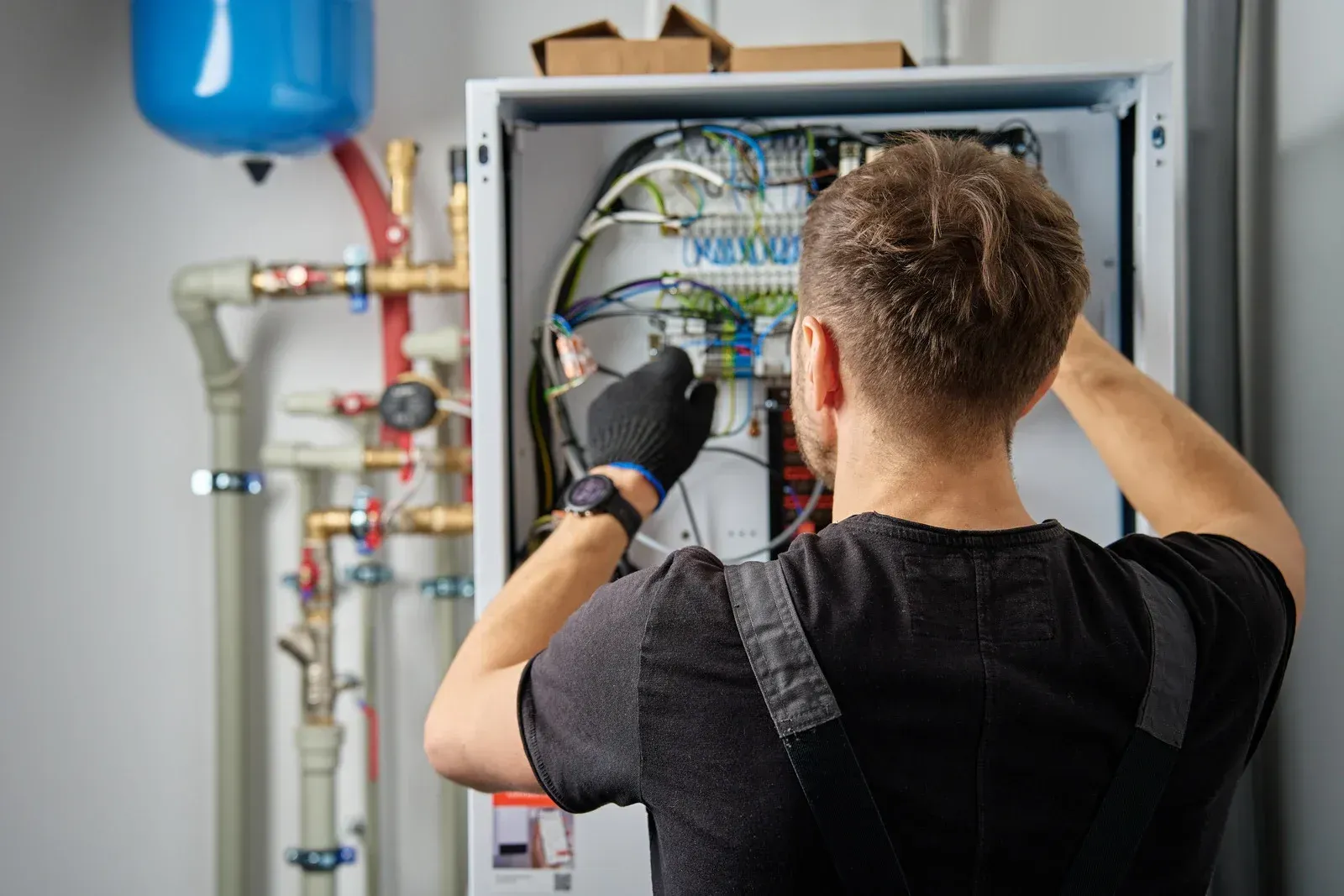
HEAT EXCHANGE
Heat Exchanger Inspection and Repair
Visual inspection, combustion analysis, and pressure testing determine whether an exchanger is compromised. That finding gets documented with readings, because condemning a heat exchanger is too serious a call to make on a hunch.
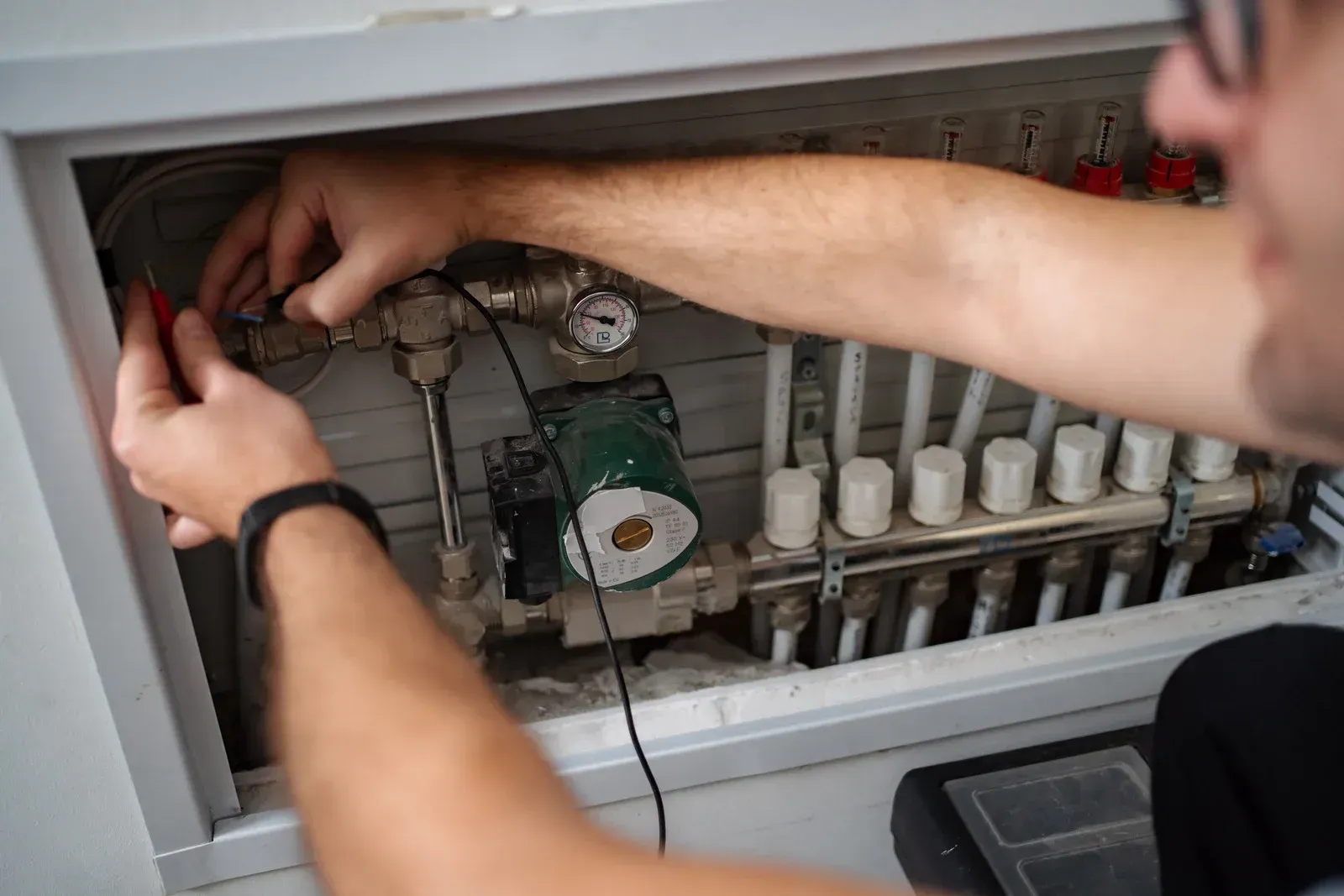
AIR SIDE
Blower Motor and Limit Switch Repair
Overheating trips the high limit and shuts the burner down repeatedly. The cause is usually a failing blower motor, a bad capacitor, a clogged filter, or a limit switch that has drifted out of range.
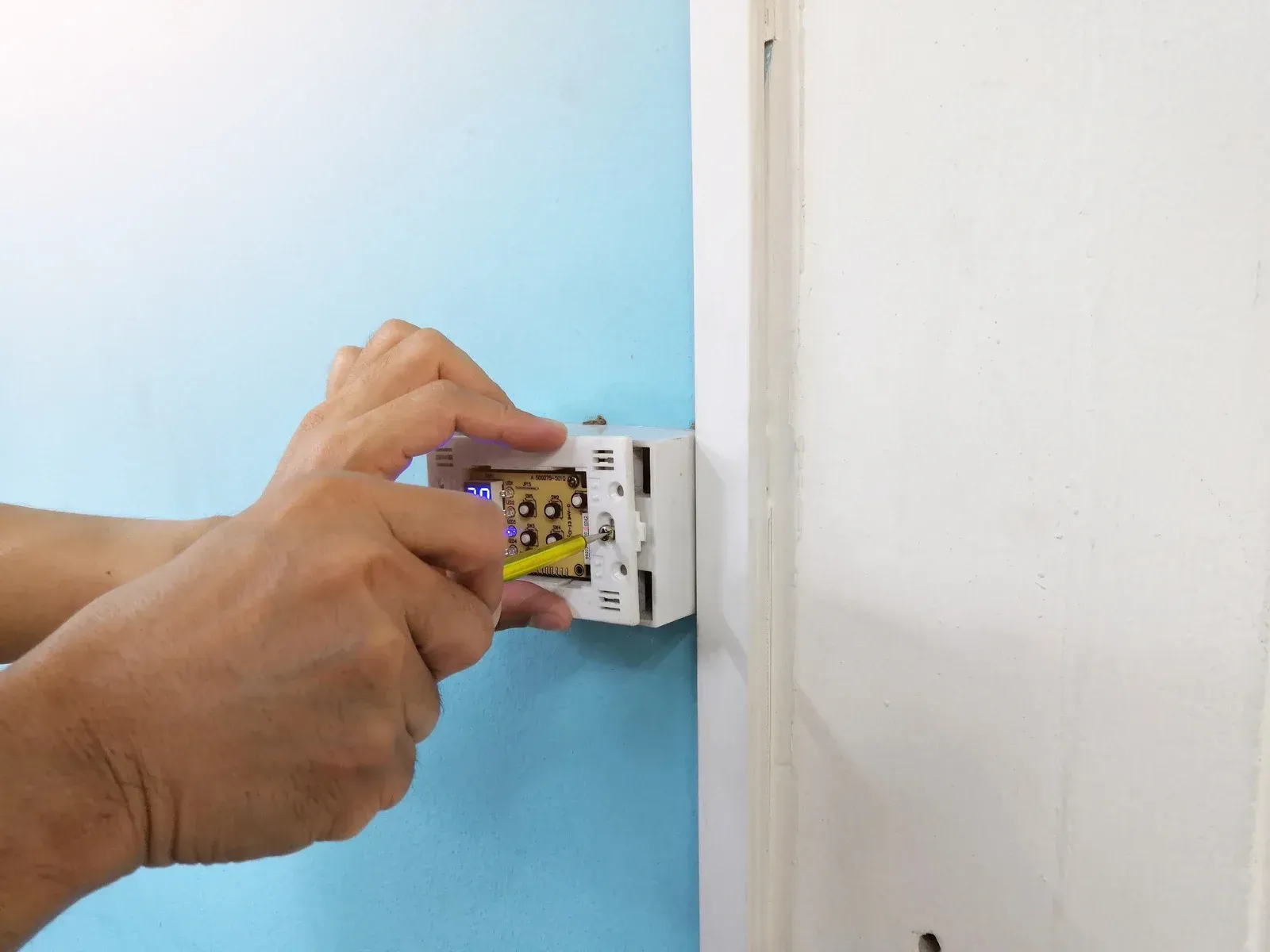
CONTROL LOGIC
Control Board and Thermostat Repair
Boards fail in ways that mimic mechanical faults, and low-voltage wiring damaged by rodents in an attic behaves the same way. Continuity testing at each terminal settles which one is actually at fault.
faq
frequently asked
questions.
Heating questions that come up most often once the temperature drops, answered directly. If your system is doing something specific, describing the sequence helps more than describing the symptom.
Why is my heater blowing cold air?
The burner is not lighting or is shutting down while the blower keeps running. A dirty flame sensor, a failed ignitor, a tripped limit switch, or a gas supply problem are the usual explanations.
What is the most common cause of heat not working?
A dirty flame sensor leads by a wide margin, followed by a cracked hot surface ignitor. Both are inexpensive parts, and both strand a house that otherwise has nothing wrong with it.
How do I reset my heating system?
Switch the unit off at the thermostat, cut power at the disconnect or breaker for a minute, then restore it. If the system locks out again on the next cycle, the fault is real.
What should I check first if the heat is not working?
Thermostat mode and batteries, the filter, the breaker, and the furnace door switch. Abbey Aire and Building Repair walks callers in Benson, AZ through those four before dispatching, because one of them solves it often enough.
What are common problems with heaters?
Ignition failures, dirty burners, failed pressure switches, blower motor faults, tripped limits, and thermostat wiring problems cover most of them. In this climate, dust and long idle periods drive more failures than wear does.
What are the common problems with different types of heating systems?
Gas furnaces fail at ignition and combustion. Heat pumps fail at reversing valves, defrost boards, and auxiliary heat. Packaged units combine both lists and add outdoor exposure to weather and rodents.
Does homeowners insurance pay for HVAC repair?
Only when a covered event caused the damage, such as a lightning strike or a fire. Mechanical breakdown and age are excluded. Abbey Aire and Building Repair documents findings for claims across Benson & Tucson, AZ when needed.
How do I know if my heater needs repair?
Longer run times, uneven heat, a yellow rather than blue burner flame, unusual smells, repeated lockouts, or rising gas use all qualify. Any of them is worth a look before the coldest week arrives.
HOW WE WORK
FROM NO HEAT TO WARM AIR, HERE IS HOW.
STEP 01
Describe the Failure
Tell us what happens when the thermostat calls: silence, a click and nothing, a brief flame, or warm air that turns cold. That description narrows the fault before anyone arrives at the property.
STEP 02
Run the Sequence
The system gets cycled while we watch each step: thermostat call, inducer start, pressure switch close, ignitor glow, gas valve open, flame proof, blower engage. The failure reveals itself at one of them.
STEP 03
Test, Do Not Assume
The suspect component is measured rather than swapped. Microamps at the flame sensor, resistance across the ignitor, manifold pressure at the valve, continuity through the limit, all compared to published values from the manual.
STEP 04
Combustion and Safety Check
Before anything is repaired, combustion is analyzed and carbon monoxide measured in the supply air. A safety finding stops the process immediately and gets discussed with you before any other work continues on site.
STEP 05
Repair and Reassemble
The failed part is replaced, burners and sensors are cleaned, and everything is reassembled with the door switch and vent connections verified. Loose panels and open flues are not left for a later visit.
STEP 06
Cycle and Confirm
The system runs through several complete cycles while temperature rise, combustion, and amp draws are checked against specification. You receive the readings, the warranty terms, and any recommendation worth noting before the truck leaves.
GET YOUR ESTIMATE
WARM AIR BACK, AND A SAFETY CHECK WITH IT.
A heating fault on a Benson, AZ January morning does not need to become a 2-day problem. Send the symptoms through our contact page and Abbey Aire and Building Repair will get someone out.
WHAT YOUR HEATING REPAIR COVERS:
- The full sequence of operation tested
- Components measured before replacement
- Combustion analysis and carbon monoxide reading
- Burners and flame sensor cleaned
- Multiple confirmation cycles after the repair
- A 90-day workmanship warranty